Low-Cost Vet Care: What a 1,000-Won Fee Really Means
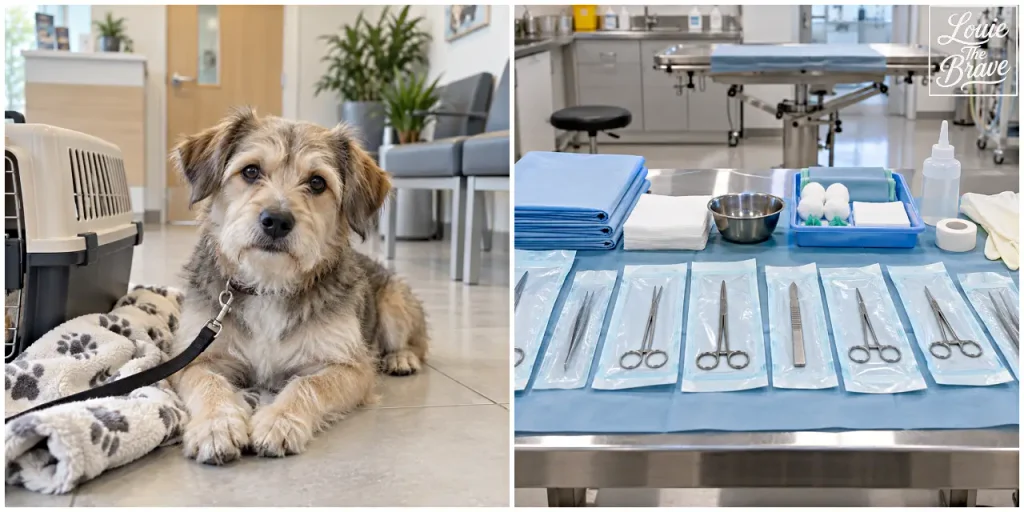
Low-cost vet care at Honggeum Animal Hospital does not mean every rescued animal gets every test, procedure, and surgery for 1,000 won. The 1,000-won figure refers to the hospital’s basic consultation fee for rescued animals. Surgery, surgical materials, and other treatment-related costs can still be charged separately.
That distinction matters because this kind of low-cost vet care is not positioned as a bargain service for ordinary pet owners. Its purpose is to reduce the financial barrier at the point when a rescued animal first needs medical attention. In other words, the 1,000-won fee is less about making veterinary medicine “free” and more about making treatment possible to start.
What Is Honggeum Animal Hospital?
Honggeum Animal Hospital in South Korea is a private veterinary hospital focused on rescued animals. SBS TV Animal Farm described it as a hospital that treats rescued animals rather than the general pet population. Its patients include animals rescued from neglect and abuse as well as breeding facilities, hoarding situations, accidents, and other difficult circumstances.
The hospital entered its third year of operation in 2026. DailyVet reported in late August 2026 that it had performed about 2,000 surgeries and had worked with animal welfare groups and public agencies on cases involving puppy mills, animal hoarding, severe collar injuries, traffic accidents, and other rescue situations.
This is what makes its version of low-cost vet care unusual. The reduced pricing is tied to a specific mission and patient population rather than being a universal discount available to every dog or cat owner.
What Does the 1,000-Won Fee Actually Cover?
The most important point is that “1,000 won” should not be read as an all-inclusive price. Low-cost vet care at Honggeum Animal Hospital still involves costs when an animal needs more extensive treatment.
SBS reported that the hospital charges a 1,000-won basic consultation fee for rescued animals while still collecting minimum surgery and material fees needed to operate. The program also reported that its surgery-related charges were around one-fifth of those at other hospitals.
Here is the practical way to read this low-cost vet care pricing:
| Type of care | What the 1,000-won label means |
|---|---|
| Basic consultation | Introduced as a 1,000-won fee for rescued animals |
| Blood work, imaging, and outside testing | Do not assume every diagnostic test is included in the 1,000-won fee |
| Surgery | A separate minimum surgical fee may apply |
| Surgical materials | Separate material costs may apply |
| Privately owned pets seeking cheaper care | Not the hospital’s target patient population |
For someone arranging care for a rescued animal, the useful question is not simply, “Is everything 1,000 won?” It is, “What care does this animal need, and what will each part of that care cost?” Pet owners can use the same approach when a clinic recommends diagnostic tests or procedures: ask what each test is intended to answer and what the expected charges are when time allows.
Why Low-Cost Vet Care Matters More for Rescued Animals
A pet with an established owner usually has someone who can make medical decisions and is responsible for arranging payment. A rescued animal may arrive with no owner, no medical history, and no person who has already agreed to cover treatment.
That financial gap can become especially difficult when an animal has gone without care for a long time or arrives after trauma. The first visit may reveal a need for wound treatment, diagnostic testing, anesthesia, surgery, hospitalization, or repeated follow-up. A rescue organization or foster caregiver may also be responsible for medical expenses for several animals at once.
DailyVet reported that one reason Honggeum Animal Hospital was created was that even discounted veterinary charges could still place a heavy burden on rescue organizations and foster caregivers. The hospital’s low-cost vet care model is intended to reduce that obstacle so rescued animals have a better chance to receive treatment and move toward recovery and future placement.
The 1,000-Won Fee Is Not a Model for Every Veterinary Hospital
When people first hear about low-cost vet care at this hospital, it would be easy to look at the number and ask why every veterinary hospital cannot charge the same amount. That misses how Honggeum Animal Hospital is structured.
The hospital is mission-driven and focused on rescue cases. DailyVet reported that the operation has only two veterinarians, a husband-and-wife team, and that its founder has deliberately centered the hospital on making surgery and treatment more accessible to rescued animals.
The work has also expanded beyond the hospital. In August 2026, founder Lee Seung-chan organized the Veterinary Surgical Volunteer Association, which participated in a large spay-neuter project involving dogs rescued from an animal-hoarding situation in Yeongju.
Low-cost vet care at one rescue-focused hospital does not mean the same fee structure could simply be copied into every private clinic. Staffing, equipment, medications, diagnostics, anesthesia, surgical supplies, facilities, and follow-up treatment all carry costs. The more useful lesson is that affordable care can be designed around a clearly defined population and purpose.
Why This Story Matters Even if Your Dog Has Insurance
I enrolled Louie in pet insurance soon after he joined our family. During the year from about 2 months old to 14 months old, the veterinary expenses I submitted in insurance claims were about four times the premiums I had paid during that period. His renewal premium later increased substantially.
That is one dog’s experience, not evidence that pet insurance will save money for every household. It did make one point very clear to me: veterinary spending can be difficult to predict even when a family plans ahead.
That is why low-cost vet care and personal financial planning are related but not interchangeable. A rescue hospital may reduce treatment costs for animals without an owner, while an individual pet owner still needs a way to handle routine care, unexpected diagnostics, and emergencies.
What U.S. Pet Owners Can Take From This Model
Honggeum Animal Hospital is in South Korea, so its 1,000-won program is not a U.S. low-cost vet care program. U.S. pet owners looking for low-cost vet care have to use resources available in their own communities.
Humane World for Animals recommends Pet Help Finder for financially friendly veterinary services. It also suggests checking community or shelter clinics, asking veterinary colleges whether emergency assistance is available, discussing payment options with the veterinary clinic, and researching financial-assistance programs.
A practical plan can include:
- Know which regular and emergency veterinary clinics you would use before a problem occurs.
- When a test is recommended, ask what question it is intended to answer and request an estimate before proceeding when the medical situation allows.
- Read pet insurance exclusions, deductibles, reimbursement rules, and renewal terms before you need to make a large claim.
- Keep a separate veterinary savings fund if that fits your household better.
- If cost is preventing care, ask the clinic about payment options or lower-cost resources rather than assuming no assistance exists.
Humane World also lists pet insurance and a dedicated veterinary savings account as two different ways owners can prepare for future expenses. Insurance coverage, exclusions, deductibles, reimbursement percentages, and premiums vary, so neither option guarantees that every bill will be affordable.
Preparation becomes especially important when there is little time to compare prices. Repeated neurologic changes such as collapse, inability to stand, or a prolonged seizure may require emergency assessment; this guide explains which neurologic changes in dogs may require urgent veterinary care. Heatstroke is another example where delaying treatment to improvise at home can be dangerous, and this guide explains why suspected heatstroke requires controlled cooling and prompt veterinary care rather than an ice cube.
Low-cost vet care is useful when it helps an animal receive appropriate treatment sooner. But “low cost” should not be confused with “every service is included,” and searching for the cheapest option should not delay urgent treatment when an animal is in a medical emergency.
What the 1,000-Won Fee Really Represents
The memorable number is 1,000 won, but the larger idea is access. Honggeum Animal Hospital’s low-cost vet care model is aimed at animals that might otherwise reach a medical dead end because nobody is clearly responsible for the bill.
The hospital still charges for some procedures and materials, yet it lowers the financial barrier to getting through the door and beginning treatment. Recent reporting also shows that its work has expanded from individual rescue cases to broader veterinary volunteer efforts.
For pet owners, the story is also a reminder that veterinary care has two parts: the medical decision and the financial plan that makes that decision possible. Insurance, savings, payment options, community clinics, and charitable programs each address different parts of that problem.
The strongest meaning of this low-cost vet care model and its 1,000-won fee is not that veterinary medicine should cost almost nothing. It is that a rescued animal should have a better chance to receive treatment before cost becomes the reason care never starts.
Source:
- SBS TV Animal Farm — Episode 1269: The 1,000-Won Veterinarian, Part 1 View the SBS episode page
- DailyVet — Why Create a Veterinary Hospital for Rescued Animals? Read the DailyVet report
- DailyVet — Veterinary Surgical Volunteer Association Launches With Yeongju Rescue Project Read the DailyVet volunteer report
- Humane World for Animals — Free and Low-Cost Pet Food and Vet Care Near You View veterinary financial-assistance resources
- Humane World for Animals — What to Know Before Getting Pet Insurance Read the pet insurance guide