Mucus in Dog Poop: Shiny Coatings and Color Changes
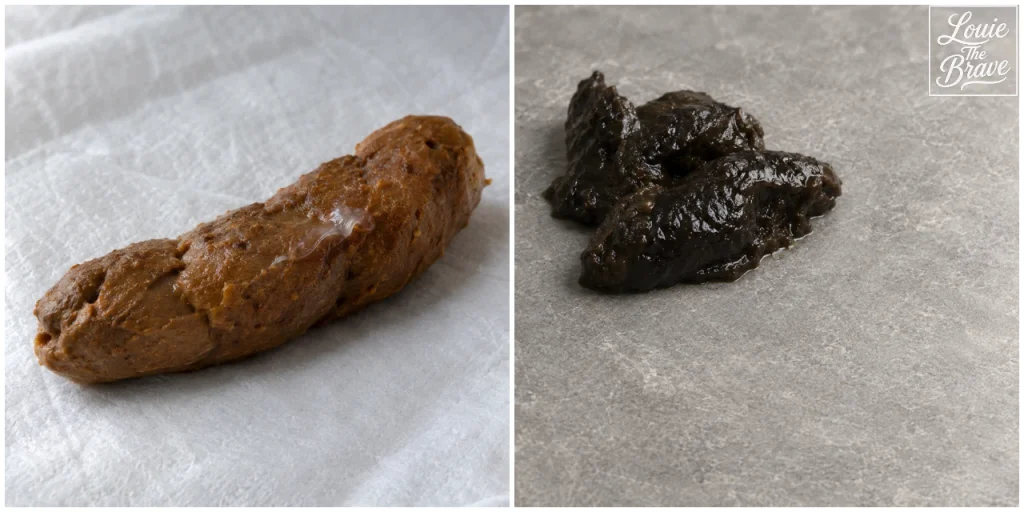
Mucus in dog poop can look like a slippery, shiny coating, clear jelly, or whitish slime. A small amount appearing once in a healthy adult dog may not be an emergency. However, a glossy surface alone cannot confirm that mucus is present, and repeated mucus, bloody stool, or diarrhea with other symptoms deserves veterinary attention.
The color of the stool matters, too. Brown stool with a slight sheen is different from black, sticky, tar-like feces, which may contain digested blood. Looking at the stool’s color, shape, consistency, and frequency alongside your dog’s appetite and energy provides a more useful picture than appearance alone.
What Does Normal Dog Poop Look Like?
Healthy dog stool is generally medium to dark brown, formed, and slightly moist. It should hold its shape when picked up without crumbling into hard pieces or spreading across the ground. The consistency is often compared to soft modeling clay.
Normal stool does not have to look identical after every meal. Food ingredients, moisture content, fiber, medications, and supplements can change its color, size, and texture. A dog eating dry kibble may produce stool that looks different from stool produced while eating fresh or freeze-dried food.
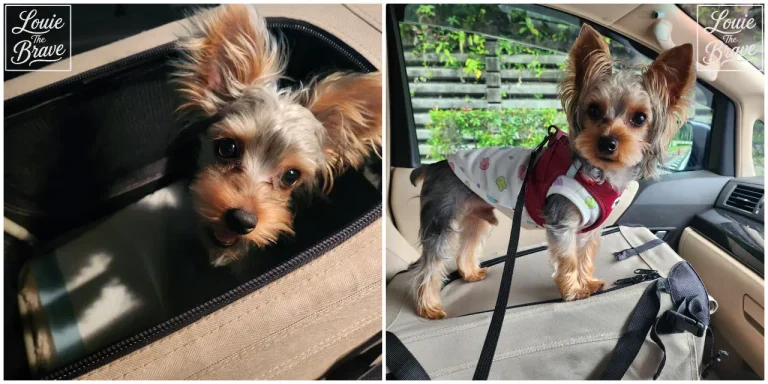
For example, my Yorkshire Terrier, Louie, has eaten several types of diets. His stool was relatively small and dark when he ate freeze-dried food. During a short period on dry kibble, it was larger, softer, and more typically brown. With his current home-cooked meals, it is usually dark brown and slightly thicker than it was on freeze-dried food.
These observations show how stool appearance can change with diet. They do not establish that one food is healthier or more digestible than another. Fecal volume depends on the food’s composition, digestibility, fiber content, and the amount consumed.
When evaluating mucus in dog poop, begin by comparing the unusual stool with what is normal for your individual dog. A new surface coating deserves attention even when the stool underneath remains firm.
What Does Mucus in Dog Poop Actually Look Like?
Dogs naturally produce intestinal mucus. This slippery substance helps protect the intestinal lining and allows waste to move through the digestive tract. Under ordinary conditions, most of that mucus is not noticeable in the finished stool.
Visible mucus in dog poop may appear in several forms:
- Clear, glossy coating: A transparent film surrounding part or all of a formed stool.
- Whitish or cloudy slime: A slippery material attached to the surface.
- Jelly-like strands or blobs: Distinct pieces of mucus appearing alongside the stool.
- Yellowish or brown mucus: Mucus that has mixed with fecal material and taken on some of its color.
Mucus can appear on otherwise formed stool, but it may also accompany soft stool or diarrhea. When a dog repeatedly passes mucus with frequent, small bowel movements, urgency, or straining, a veterinarian may suspect irritation or inflammation of the colon.
The colon, also called the large intestine, normally produces mucus. When it becomes inflamed, a condition known as colitis, mucus production may increase. Stress, sudden dietary changes, intestinal parasites, infections, and other gastrointestinal disorders are among the possible causes.
However, mucus in dog poop is a symptom, not a diagnosis. Its appearance cannot identify whether a dog has colitis, parasites, food intolerance, or another problem. Persistent or recurring symptoms may require a physical examination and fecal testing.
Is a Thin Shiny Film Always Mucus?
Not necessarily. A moist stool surface may reflect light, and other secretions can create a glossy appearance. A photograph cannot reliably identify the material coating the stool.
Mucus is more suggestive when there is visibly separate, slippery, jelly-like material around or mixed with the feces. Even then, the cause cannot be determined by appearance alone.
If you notice mucus in dog poop only once and your healthy adult dog is eating, drinking, and behaving normally, photograph the stool and check the next bowel movement. Contact your veterinarian if the amount is substantial, the coating returns, or other symptoms develop.
Can Anal Gland Fluid Make Dog Poop Look Shiny?
Yes. Dogs have two anal sacs, commonly called anal glands, located on either side of the anus. They contain a strongly scented secretion that can be released when a dog defecates.
As stool passes through the anus, pressure and muscular contractions may help empty the sacs. Anal sac fluid can vary in color and thickness. Depending on how it mixes with stool, it may contribute to a damp or shiny appearance.
This distinction is particularly relevant to my experience with Louie.
Louie usually uses the bathroom attached to his room. However, when his grandparents return from golf, he often goes into the living room to greet them, receive attention from his grandfather, and play. Sometimes he defecates on the living room potty tray afterward.
During those bowel movements, I occasionally noticed a thin, glossy coating that looked different from his usual stool. I initially wondered whether it was mucus.
When I showed a veterinarian a photograph, the veterinarian assessed it as moist stool with some anal gland secretion rather than mucus-covered stool. That was an assessment of Louie’s particular situation, not a general method for distinguishing the two substances.
Anal sac fluid may be released during defecation or excitement. Its presence is not automatically evidence of anal gland disease, and a shiny stool does not prove that anal sac fluid was involved.
If a dog frequently scoots, licks the area around the anus, strains to defecate, or develops swelling or pain near the anus, a veterinary examination is appropriate. Those symptoms may suggest an anal sac problem that needs treatment.
When mucus in dog poop is difficult to distinguish from another secretion, a clear photograph and a description of the dog’s behavior can help the veterinarian evaluate the situation.
Dog Poop Color Chart: What Should You Check?
Color changes can result from food, treats, medications, or digestive problems. Some changes are temporary, while others require prompt medical attention.
Use the following table to decide what to record and when to contact your veterinarian.
| Stool color | What it may indicate | Recommended action |
|---|---|---|
| Brown or dark brown | Often normal, depending on diet | Compare with your dog’s usual color, shape, and consistency. |
| Yellow or orange | Dietary changes or possible digestive, liver, or bile-related problems | Review recent foods and contact your veterinarian if the color persists or your dog has other symptoms. |
| Green | Grass, strongly colored foods, or possible digestive or biliary problems | Check recent food intake and monitor the next bowel movement. Contact your veterinarian if it recurs or your dog seems unwell. |
| Gray, pale, or clay-colored | Possible problems involving fat digestion, bile, or pancreatic function | Arrange veterinary advice, especially if the stool is greasy, the color persists, or appetite changes. |
| Bright red blood | Fresh bleeding that may originate from the lower digestive tract or anal area | Contact your veterinarian promptly, even if the amount appears small. |
| Black, sticky, tar-like stool | Possible digested blood, known as melena | Seek prompt veterinary assessment. Do not wait for another bowel movement. |
Dark Brown Poop vs. Black Tarry Stool
Very dark brown stool is not necessarily melena. Certain foods and medications can make dog poop unusually dark.
Activated charcoal, which veterinarians sometimes administer following toxin exposure, can also turn stool black. This change is an expected effect of the treatment, although any persistent or unexplained black stool should still be discussed with the veterinarian.
Louie’s stool was dark when he ate freeze-dried food. After he received activated charcoal prescribed by a veterinarian, I saw how much darker his stool could become.
True melena is typically very dark or black with a sticky, tar-like appearance. It can develop when blood is digested in the gastrointestinal tract, including bleeding from the stomach or upper intestine.
Do not assume that black stool is harmless simply because your dog recently ate something dark. If the stool is black and tarry, contact a veterinarian promptly. Pale gums, marked weakness, collapse, or other signs of significant illness warrant emergency care.
What About Pale or Gray Stool?
Pale stool deserves attention, especially when the entire bowel movement is gray, clay-colored, or greasy. Problems involving bile flow, fat digestion, or pancreatic function are among the possibilities, but stool color alone cannot identify the cause.
Louie once passed gray-colored stool after swallowing chicken bones. He was hospitalized while veterinarians monitored the bones’ passage, and he was discharged after they had passed through his large intestine.
That experience should not be interpreted as evidence that gray stool identifies bone ingestion. Swallowed bones can cause injury or gastrointestinal obstruction regardless of stool color. If you know or suspect that your dog swallowed bones or another potentially dangerous object, contact a veterinarian rather than waiting to see whether the feces change color.
When Does Mucus in Dog Poop Suggest a Digestive Problem?
The combination of symptoms is often more informative than the amount of mucus alone. Colon irritation can produce mucus alongside soft stool, frequent defecation, urgency, and straining.
A dog with colitis may pass several small bowel movements rather than one larger stool. The dog may repeatedly attempt to defecate even when little fecal material comes out. Some dogs remain active and alert despite having significant intestinal irritation.
Possible causes of recurring mucus in dog poop include:
- Sudden changes in diet or eating unfamiliar food
- Stress-related intestinal irritation
- Intestinal parasites, including Giardia or whipworms
- Bacterial or viral gastrointestinal infections
- Adverse reactions to food ingredients
- Chronic inflammatory disorders affecting the intestines
The symptoms overlap considerably. A single mucus-covered stool cannot establish that a dog has a food allergy or requires a special diet.
If digestive symptoms recur and a veterinarian suspects an adverse food reaction, a controlled diet trial may be appropriate. My guide to how hydrolyzed dog food works during an elimination diet explains why veterinary diet trials are different from simply switching food brands.
An unexplained stool change should not trigger repeated food changes or unnecessary dietary restrictions. Sudden changes can themselves upset digestion and make it harder to determine what caused the original symptoms.
Soft Stool vs. Watery Diarrhea: Does the Difference Matter?
Soft stool retains some shape, even when it is difficult to pick up. Watery diarrhea has little or no defined form and may spread across the ground or potty tray.
This difference matters because watery diarrhea can cause substantial fluid loss, particularly when bowel movements are frequent. Vomiting at the same time increases the risk of dehydration.
In an otherwise healthy adult dog, a single soft bowel movement without other symptoms may be monitored briefly. Make sure fresh drinking water remains available, record the stool’s appearance, and watch for changes in appetite, energy, and the next bowel movement.
Repeated watery diarrhea requires more caution. According to Cornell University’s veterinary guidance, diarrhea that does not resolve within approximately 48–72 hours warrants veterinary care, even when the dog initially appears otherwise well.
For practical monitoring, contact your veterinarian if mild diarrhea has not stopped within 48 hours. Seek care sooner for repeated watery episodes or any worsening symptoms.
Puppies, senior dogs, and dogs with existing medical conditions should be assessed earlier because dehydration and underlying illness can become more serious.
If a veterinarian recommends digestive support as part of treatment, you may also find my Pro-Kolin Advanced for dogs review useful. It discusses the product’s ingredients, research, and my experience using it under veterinary guidance. A digestive supplement does not replace evaluation for persistent or serious diarrhea.
When Should You Call the Vet About Mucus in Dog Poop?
A small amount of mucus appearing once in formed stool is not automatically an emergency for a healthy adult dog. However, the decision to monitor or seek care should also account for the amount of mucus, repeated episodes, and your dog’s overall condition.
Monitor Briefly at Home
Brief observation may be reasonable when all of these conditions are present:
- Your dog is a generally healthy adult.
- The stool is formed and contains only a small amount of suspected mucus.
- This is an isolated episode.
- Your dog is eating, drinking, and behaving normally.
- There is no blood, repeated diarrhea, vomiting, or painful straining.
Take a photograph and check the next bowel movement. If the mucus returns or the stool becomes abnormal again, contact your veterinarian.
Contact Your Veterinarian Promptly
Arrange veterinary advice when mucus in dog poop appears repeatedly, there is a large amount of jelly-like material, or your dog develops new digestive symptoms.
Fresh red blood, repeated straining, reduced appetite, or persistent diarrhea also warrant prompt assessment. Puppies, senior dogs, and dogs with underlying health problems should not follow the same extended observation period as healthy adults.
Seek Urgent or Emergency Veterinary Care
Do not delay veterinary evaluation if your dog has:
- Black, sticky, tar-like feces
- Bloody watery diarrhea or substantial bleeding
- Repeated vomiting, particularly with diarrhea
- Severe weakness, collapse, or pale gums
- Significant abdominal pain or swelling
- Suspected ingestion of bones or another foreign object, especially with vomiting or abdominal discomfort
These findings may indicate bleeding, dehydration, obstruction, or another serious condition. Emergency care is especially important if your dog is deteriorating rapidly.
What Should You Record Before the Veterinary Visit?
A short stool record can help a veterinarian recognize changes and decide whether fecal testing or other examinations are needed.
Record the following information:
- Appearance: Take a clear photograph showing the stool’s color, shape, and any visible mucus or blood.
- Frequency: Note the time of each bowel movement and how many abnormal stools occurred.
- Consistency: Describe whether the stool was formed, soft, jelly-coated, or watery.
- Recent diet: Include meals, new treats, supplements, and any dietary changes.
- Other symptoms: Record vomiting, straining, appetite, drinking, activity level, and signs of discomfort.
- Possible exposures: Mention medications, activated charcoal, swallowed objects, or access to unfamiliar food.
If your veterinarian requests a fecal sample, collect it in a clean, sealed container or bag. A sample less than 24 hours old is generally preferred. Refrigerate it if you cannot deliver it promptly, and follow the clinic’s specific instructions.
A veterinarian may use fecal testing to investigate parasites or infections. Persistent or severe symptoms may require additional testing because not every gastrointestinal disorder can be diagnosed from a stool sample.
The Bottom Line on Shiny or Mucus-Covered Dog Poop
Mucus in dog poop may be harmless when it appears in a small amount once in an otherwise healthy adult dog. A shiny surface can also have other explanations, including moisture or anal sac secretions. Neither appearance is enough to establish a diagnosis.
Louie’s changing stool appearance has made me pay attention to his normal bowel movements, recent meals, and the circumstances in which he defecates. His veterinarian’s assessment of the glossy coating also showed why a photograph can be useful without being conclusive.
If your dog passes a single unusual but formed stool and remains well, document it and check the next bowel movement. Repeated mucus, watery diarrhea, or changes in appetite and energy warrant veterinary advice. Blood, black tarry stool, or signs of serious illness require prompt medical attention.
Source
- Purina US — What Does Healthy Dog Poop Look Like?
- PetMD — Mucus in Dog Poop
- MSD Veterinary Manual — Colitis in Small Animals
- VCA Animal Hospitals — Anal Sac Disease in Dogs
- Cornell University College of Veterinary Medicine — Diarrhea
- PetMD — Dog Pooping Blood: Common Causes and What To Do
- VCA Animal Hospitals — Activated Charcoal
- Cornell University College of Veterinary Medicine — Gastrointestinal Foreign Body Obstruction in Dogs
- PetMD — Fecal Tests for Dogs: What Are They, and Why Are They Important?