Diabetes Symptoms Without Weight Loss: Get a Blood Test
You can have diabetes symptoms without losing weight. Unexplained weight loss is one possible symptom, but it is not required for diabetes to be present. Type 2 diabetes can develop slowly, and some people have symptoms so mild that they do not notice them at all.
That was one of the most surprising parts of my own experience. My weight had not dropped when diabetes was found. I had previously been treated for a pituitary adenoma, and my endocrinologist thought hormone changes might have played a role. I took diabetes medication for about a year, and later testing improved. My experience does not mean that a pituitary adenoma itself causes diabetes. Specific hormone disorders linked with pituitary disease, such as acromegaly or Cushing syndrome, can affect insulin resistance and blood glucose, so the exact hormone condition matters.
Can diabetes start without weight loss?
Yes. The CDC lists frequent urination, increased thirst and hunger, unexplained weight loss, fatigue, blurry vision, and frequent urinary or yeast infections among possible diabetes symptoms.
But this list can be misleading if you treat every symptom as something that must happen.
Type 2 diabetes symptoms may take several years to develop. Some people do not notice any symptoms at all. This means that stable body weight does not rule out high blood sugar, just as the absence of excessive thirst or frequent urination does not rule it out.
Symptoms such as feeling sleepy after a meal, fatigue, or tingling in the hands or feet also cannot diagnose diabetes by themselves. They can occur for many reasons. Blood testing is what determines whether glucose levels meet the ranges for prediabetes or diabetes.
Which blood tests are used for diabetes?
Health care professionals use laboratory blood tests to diagnose diabetes. The main tests are the A1C, fasting plasma glucose, and 2-hour oral glucose tolerance test. A random plasma glucose test may also be used when classic symptoms of high blood sugar are present.
The A1C test is different from a single glucose measurement because it reflects your average blood glucose over roughly the previous three months. A fasting plasma glucose test measures glucose after at least eight hours without food, while an oral glucose tolerance test checks how your body handles a measured glucose drink.
For nonpregnant adults, these diagnostic ranges are commonly used:
| Test | Normal | Prediabetes | Diabetes range |
|---|---|---|---|
| A1C | Below 5.7% | 5.7%–6.4% | 6.5% or higher |
| Fasting plasma glucose | 99 mg/dL or below | 100–125 mg/dL | 126 mg/dL or higher |
| 2-hour 75-g oral glucose tolerance test | 139 mg/dL or below | 140–199 mg/dL | 200 mg/dL or higher |
| Random plasma glucose | — | — | 200 mg/dL or higher when used with symptoms |
These numbers should not be used to diagnose yourself from one home reading. When there are no clear symptoms or unequivocal hyperglycemia, an abnormal result generally needs confirmation with another laboratory test.
A1C also has limitations. Certain types of anemia, hemoglobin variants, pregnancy, and some other medical conditions can make A1C less reliable. If your A1C and glucose results do not seem to match, your health care professional may use another test.
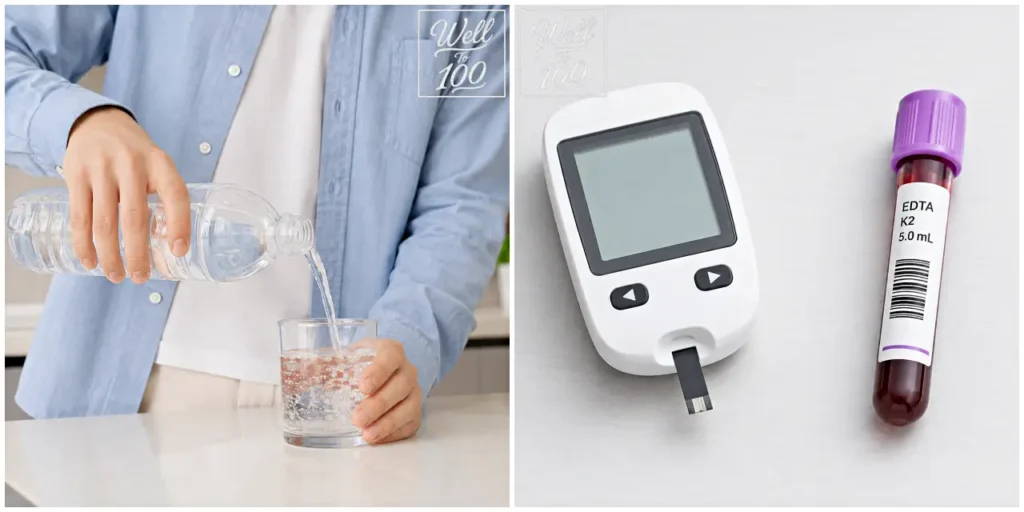
Why a home glucose meter cannot diagnose diabetes
A home blood glucose meter can be useful for monitoring glucose, especially if you already have diabetes or your health care team has asked you to check your levels.
It is not a substitute for diagnostic laboratory testing. The National Institute of Diabetes and Digestive and Kidney Diseases (NIDDK) specifically advises against trying to diagnose diabetes with over-the-counter blood glucose testing equipment.
So if you check your glucose at home and see an unexpected number, the next question is not simply, “Do I have diabetes?” A more useful next step is to ask whether you need a fasting plasma glucose test, A1C, or another laboratory test.
Who should get tested even without symptoms?
Waiting for weight loss or severe thirst can delay testing in people who have few symptoms. If you are also adjusting your diet for blood sugar, fruit portion size and food form matter more than whether a peach is soft or firm.
The American Diabetes Association’s Standards of Care in Diabetes—2026 recommends that screening begin no later than age 35 for adults. Screening should also be considered earlier in adults with overweight or obesity who have additional diabetes risk factors.
Risk can also be higher with factors such as a family history of diabetes, a history of gestational diabetes, certain racial or ethnic backgrounds, or other metabolic risk factors. Treatment with some medications, including glucocorticoids, can also increase the risk of developing type 2 diabetes.
If your test results are normal but you remain at risk, repeat testing may still be recommended. NIDDK notes that people with normal results are generally retested at least every three years, while people with prediabetes are typically tested yearly.
When Diabetes Symptoms need urgent medical care
Most discussions about early diabetes focus on routine testing, but some combinations of symptoms need faster attention.
Diabetic ketoacidosis, or DKA, is a serious and potentially life-threatening complication. Warning symptoms can include very frequent urination, intense thirst, nausea or vomiting, stomach pain, fast or deep breathing, and fruity-smelling breath. DKA can sometimes be the first noticeable sign of previously undiagnosed diabetes.
Trouble breathing, persistent vomiting, fruity-smelling breath, or several DKA symptoms together are reasons to seek emergency medical care rather than waiting for a routine appointment.
Weight loss should not decide whether you get tested
My own experience changed the way I think about early diabetes symptoms. My weight stayed about the same, so weight loss would never have been a useful warning sign for me.
The more dependable question is whether your blood tests show abnormal glucose levels. If you are 35 or older, have diabetes risk factors, or are experiencing diabetes symptoms such as unusual thirst or frequent urination, you do not need to wait for your weight to change before asking about testing.
If your A1C and glucose results disagree, or if you have an endocrine condition that may affect blood sugar, ask your health care professional which test should be repeated and whether another type of glucose test would give a clearer answer.
Sources:
- Centers for Disease Control and Prevention — Symptoms of Diabetes
- Centers for Disease Control and Prevention — Diabetic Ketoacidosis
- National Institute of Diabetes and Digestive and Kidney Diseases — Diabetes Tests & Diagnosis
- National Institute of Diabetes and Digestive and Kidney Diseases — The A1C Test & Diabetes
- National Institute of Diabetes and Digestive and Kidney Diseases — Symptoms & Causes of Diabetes
- National Institute of Diabetes and Digestive and Kidney Diseases — Acromegaly
- National Institute of Diabetes and Digestive and Kidney Diseases — Cushing’s Syndrome
- American Diabetes Association — Diagnosis and Classification of Diabetes: Standards of Care in Diabetes—2026