Corn Benefits: Does Sweeter Corn Raise Blood Sugar Faster?
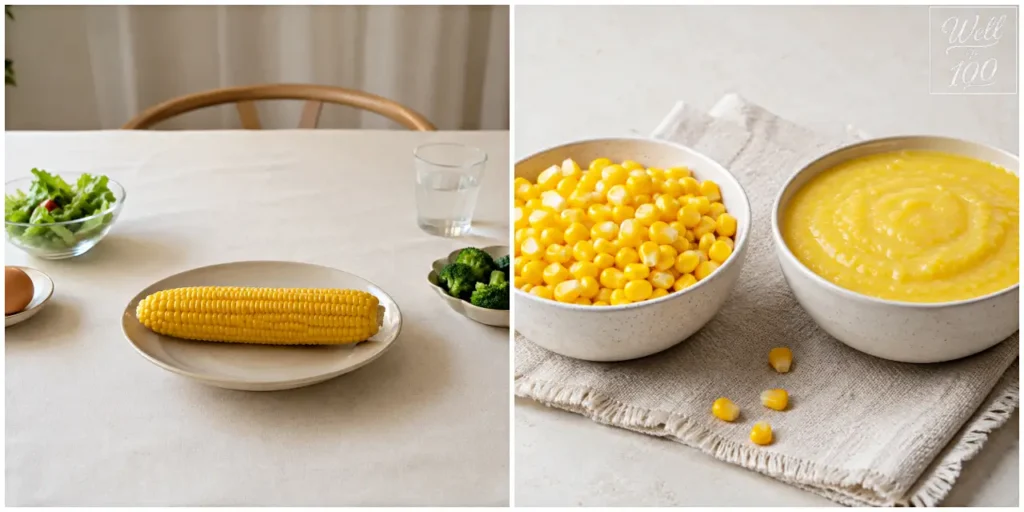
Corn tastes naturally sweet, especially when it is fresh and tender. That can make it confusing for anyone watching blood sugar: does sweeter corn automatically raise glucose faster?
Not necessarily. Sweetness tells you what your tongue detects, while blood sugar response depends on several factors, including the type of corn, how it is cooked or processed, the amount you eat, and what else is in the meal. The American Diabetes Association also distinguishes glycemic index (GI), which reflects the glucose response to a carbohydrate food, from glycemic load (GL), which also considers the amount of carbohydrate eaten. corn benefits.
Corn benefits can still fit into a balanced diet. The key is recognizing that it provides useful nutrients and a meaningful amount of carbohydrate.
Is Corn a Vegetable or a Carbohydrate Food?
Fresh corn is often served like a vegetable, but nutritionally it is more carbohydrate-dense than nonstarchy vegetables such as lettuce, cucumbers, or broccoli.
Corn kernels contain starch along with dietary fiber. Corn benefits. USDA FoodData Central lists cooked yellow sweet corn as a carbohydrate-containing food, so portions matter when corn is part of a meal.
That does not mean corn needs to be avoided. It simply means that a large ear of corn or a generous bowl of kernels should not be treated the same way as a large serving of leafy greens when you are keeping track of carbohydrates.
If corn is your snack, decide on the portion before eating. At a meal, consider it one of your carbohydrate-containing foods and add foods such as eggs, beans, tofu, fish, chicken, or other protein sources along with nonstarchy vegetables.
Corn Benefits Include Fiber and Carotenoids
Whole corn provides dietary fiber, making it nutritionally different from highly refined corn products. Fiber is one reason whole kernels can be a useful part of a varied eating pattern rather than simply being viewed as a source of sugar or starch.
Yellow corn also contains carotenoid pigments, particularly lutein and zeaxanthin. USDA Agricultural Research Service publications have identified both carotenoids in yellow corn kernels.
Lutein and zeaxanthin are often discussed in connection with eye nutrition, but they should not be confused with vitamin A. The NIH Office of Dietary Supplements classifies lutein and zeaxanthin as non-provitamin A carotenoids, meaning the body does not convert them into vitamin A.
Corn should not be expected to supply all of your fiber or carotenoids by itself. A varied diet that includes vegetables, fruits, legumes, and other whole plant foods provides a broader mix of nutrients.
Does Sweeter Corn Raise Blood Sugar Faster?
A sweeter taste does not give you a reliable GI number.
GI is measured from the actual rise in blood glucose after eating a standardized amount of available carbohydrate. It is not calculated from how sweet a food tastes. Variety, starch structure, processing, cooking, and other characteristics of the food can change the glucose response.
This is why it is too simple to assume that very sweet corn must produce a larger glucose spike than a less-sweet variety.
Published GI values for corn also vary. A large compendium of non-Western foods, for example, includes different GI results for different corn products and preparations, reinforcing that there is no single GI value that applies to every type of corn.
For someone monitoring blood sugar, portion size and the actual form of the corn are more useful than sweetness alone. If you are watching glucose because of diabetes or prediabetes, this guide explains how A1C and fasting glucose are used to check blood sugar even when obvious diabetes symptoms are absent.
Steamed Corn Benefits and Corn Porridge Can Produce Different Responses
One Korean study illustrates how much preparation can matter.
The study enrolled 60 healthy men and tested several carbohydrate-rich foods prepared in different ways. For the corn testing, about 170 grams of steamed corn supplied 50 grams of carbohydrate. Steamed corn had a measured GI of 73.4 ± 9.9. Corn porridge had a higher measured GI of 91.8 ± 19.5.
When researchers calculated glycemic load using typical serving amounts, steamed corn had a GL of 18.6, while corn porridge had a GL of 33.0.
| Corn preparation | GI in the study | GL in the study |
|---|---|---|
| Steamed corn | 73.4 ± 9.9 | 18.6 |
| Corn porridge | 91.8 ± 19.5 | 33.0 |
These numbers should not be treated as universal values for every ear of corn sold in the United States. The study tested specific foods under controlled conditions, and published GI values differ among varieties and preparations.
What the comparison does show is practical: two foods made from corn can produce substantially different glucose responses. Turning kernels into a soft porridge changes the physical form of the food and can change how it is digested.
How to Eat Corn When You Are Watching Blood Sugar
If you have diabetes, prediabetes, or simply want to understand your post-meal glucose response, there is no need to judge corn only by how sweet it tastes.
Instead, look at the meal as a whole:
- Pay attention to how much corn you actually eat.
- Consider corn part of the meal’s carbohydrate intake.
- Choose whole kernels more often than heavily processed corn foods when that fits the meal.
- Add protein and nonstarchy vegetables rather than making corn the entire meal.
- If you monitor glucose at home, compare similar portions and meals so your readings are easier to interpret.
Blood glucose responses can differ from one person to another and may also be affected by medications, physical activity, meal composition, and individual glucose regulation. The ADA’s current guidance emphasizes individualized nutrition and glucose management rather than relying on one food characteristic or GI value alone.
Corn benefits — Corn can provide fiber and carotenoids while also contributing a significant amount of carbohydrate. The fact that one ear tastes sweeter than another is not enough to predict which will raise your blood sugar faster. For practical blood sugar management, pay closer attention to the portion, preparation, total carbohydrate in the meal, and your own glucose response.
Source:
- U.S. Department of Agriculture — FoodData Central
- USDA Agricultural Research Service — Xanthophyll (Lutein, Zeaxanthin) Content in Fruits, Vegetables, and Corn and Egg Products
- NIH Office of Dietary Supplements — Vitamin A and Carotenoids: Health Professional Fact Sheet
- American Diabetes Association — Standards of Care in Diabetes—2026, Section 5
- Kim DY et al. — Analysis and Evaluation of Glycemic Indices and Glycemic Loads of Frequently Consumed Carbohydrate-Rich Snacks according to Variety and Cooking Method
- Henry CJ et al. — A Glycaemic Index Compendium of Non-Western Foods