Sowbugs in the House: Why They Appear and What to Do
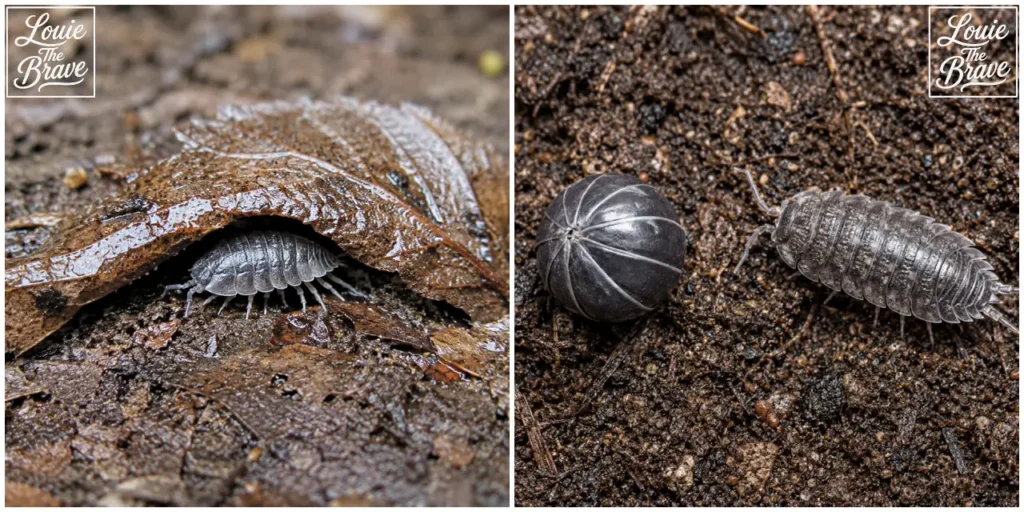
Sowbugs sometimes show up near patio planters, basement walls, bathrooms, or ground-level doors. They may look like insects, but they are actually land-dwelling crustaceans in the order Isopoda. They have seven pairs of legs and depend on moist environments to survive.
A few sowbugs indoors usually do not mean your home is infested. They are mainly outdoor decomposers that feed on decaying plant material. If you keep finding live sowbugs inside, the more useful question is not “What pesticide should I use?” but “Where is the moisture or entry point?”
Are Sowbugs Harmful Household Pests?
Sowbugs are usually nuisance visitors rather than destructive indoor pests. They do not bite or sting, and they are considered harmless to people and pets. Outdoors, they help break down dead plant matter and return organic material to the soil. Not every small household pest is responsible for unexplained skin marks. For another example, see why cigarette beetles do not bite and what red marks may actually mean.
They can occasionally chew tender seedlings, new roots, low leaves, or produce touching damp soil. That matters most when many are concentrated around young plants. If your garden plants are healthy and there is no visible feeding damage, there is usually no reason to remove every sowbug outdoors.
Sowbug vs. Pillbug: The Easiest Ways to Tell Them Apart
They are closely related and prefer the same cool, damp environments. The easiest difference is what happens when they are disturbed.
| Feature | Pillbug | Sowbug |
|---|---|---|
| Defensive behavior | Rolls into a tight ball | Cannot roll into a ball |
| Rear end | Smooth and rounded | Has visible tail-like appendages |
| Body shape | More rounded and domed | Flatter and slightly more elongated |
| Legs | Seven pairs | Seven pairs |
Pillbugs are the familiar “roly-polies.” Sowbugs may curve their bodies, but they usually scurry away instead of forming a ball.
Why Sowbugs Get Into Bathrooms, Basements, and Patios
Sowbugs lose moisture easily, so they stay around damp soil, leaf litter, mulch, rotting wood, stones, and flowerpots. They can wander indoors through gaps around doors, windows, foundations, or other openings.
If you find them near container plants, check for wet potting mix, standing water in saucers, and decaying leaves. In a bathroom or basement, look for condensation, plumbing leaks, damp corners, or poor ventilation. Around exterior doors, inspect door sweeps, weather stripping, foundation gaps, and wet mulch close to the house.
Most homes are too dry for sowbugs to survive for long. Repeated sightings of live sowbugs are therefore a good reason to look for excess moisture or an easy entry route.
What to Do When You Find Sowbugs Indoors
For one or two sowbugs, simple removal is usually enough. Pick them up, sweep them away, or vacuum them. Then correct the conditions that attracted them.
Dry wet areas, empty standing water from plant saucers, remove decaying leaves, and keep mulch or rotting wood away from the foundation. Seal cracks, repair screens, and install or replace door sweeps where needed.
Indoor insecticide treatments are often of limited value for sowbugs because the underlying problem is usually moisture and access. If you do use an insecticide around the home, follow the product label exactly and keep pets away from treated areas until the product is fully dry.
What If Your Dog Finds or Eats a Sowbug?
Sowbugs and pillbugs are considered harmless to pets and do not bite or sting. If your dog sniffs or mouths one, the sowbug itself is not generally treated as a toxic exposure.
Still, do not encourage your dog to eat things found in damp soil or around treated areas. If vomiting, drooling, diarrhea, or unusual behavior appears after your dog swallows something, contact your veterinarian. If pesticides were recently applied nearby, tell the veterinarian the product name and active ingredient because the chemical exposure may be more important than the sowbug.
Fix the Moisture Problem, Not Just the Bug
Finding a sowbug indoors is often a clue about the environment. One stray individual can simply be removed. Repeated live sightings point toward damp soil, standing water, leaks, condensation, or gaps that allow outdoor isopods to enter.
Reduce moisture, remove nearby hiding places, and seal entry points first. That approach is more useful for preventing repeat visitors than repeatedly treating the indoor area with pesticide.
Source:
ASPCA — How to Safely Treat Your House with Insecticides
University of Minnesota Extension — Sowbugs, Millipedes and Centipedes
University of Kentucky Entomology — Sowbugs & Pillbugs
UC Statewide Integrated Pest Management Program — Pillbugs and Sowbugs