Can dogs eat figs? Fresh, Dried, Skin, and Serving Size
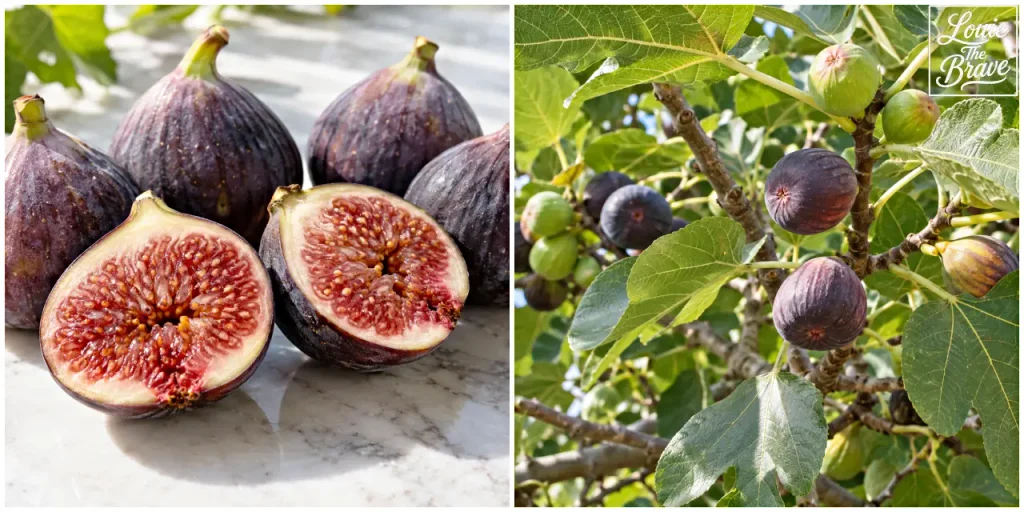
Can dogs eat figs? Yes. Most healthy dogs can have a tiny amount of ripe, fresh common fig (Ficus carica) flesh as an occasional treat. The fruit is not in the same toxic category as grapes, but the leaves, stems, branches, and milky sap of a fig plant are a different safety concern. Dried figs are also a poor everyday choice because removing water concentrates both sugar and calories.
If this is your dog’s first fig, start with one very small piece of the soft flesh. Do not hand over a whole fig. Watch for vomiting, loose stool, itching, or a change in appetite before deciding whether to offer it again. The practical question is simple: Can dogs eat figs in a way that keeps edible fruit separate from irritating plant material? Yes, if the portion is tiny and the fruit is prepared first.
Can dogs eat figs safely?
Can dogs eat figs when they are ripe and fresh? In small amounts, yes. Veterinary guidance from the American Kennel Club and PetMD treats fresh fig fruit differently from fig-tree material: a little prepared fruit can be offered, while leaves, bark, branches, stems, and sap should be kept away from dogs.
That distinction matters because “fig” can refer to the edible fruit, the common fig tree, or other Ficus species. This article is about the edible common fig, Ficus carica. It does not mean that chewing on a fig plant is safe.
Figs are optional treats, not a food dogs need for a balanced diet. If a dog already eats a complete and balanced food, adding figs does not fill a nutritional requirement.
Can dogs eat figs every day?
There is no nutritional reason to make fig a daily food. An occasional tiny serving is easier to fit into a balanced diet and gives you a clearer chance to notice whether the fruit changes your dog’s stool or appetite.
Fresh fig nutrition: useful, but not necessary
Can dogs eat figs for their nutrients? They can, but nutrition is not a reason to feed large portions. Raw figs contain water, fiber, potassium, calcium, magnesium, and small amounts of several vitamins and minerals.
USDA food-composition data list about 74 calories, 16.3 grams of total sugar, 2.9 grams of fiber, and 79.1 grams of water per 100 grams of raw fig.
| Fresh fig, per 100 g | Amount |
|---|---|
| Calories | 74 kcal |
| Water | 79.1 g |
| Total sugar | 16.3 g |
| Fiber | 2.9 g |
| Potassium | 232 mg |
| Calcium | 35 mg |
| Magnesium | 17 mg |
Those numbers describe a food-composition comparison amount, not a serving for a dog. A toy breed may only receive a tiny bite, so the actual amount of vitamins and minerals from that bite will also be small.
The useful takeaway is not that figs are a “superfood” for dogs. Fresh fig is simply a naturally sweet fruit with some fiber and minerals, so portion size still matters.
Can dogs eat figs for fiber?
A tiny fig serving adds only a small amount of fiber. If your dog needs more fiber for a medical or digestive reason, use a veterinarian-recommended diet or supplement rather than increasing the fig portion.
Can dogs eat figs with the skin and seeds?
Can dogs eat figs with the thin skin still attached? The skin of a ripe common fig is part of the fruit, not the same thing as a leaf or branch. However, veterinary sources commonly recommend offering the soft interior, and peeling the fruit is the simplest low-risk choice for a first serving. Wash the fig, cut off the stem, and remove any area with visible milky sap.
The many tiny seeds inside a fig are different from a peach pit or cherry pit. They are small, soft seeds embedded throughout the flesh, so you do not need to pick them out one by one before offering a tiny piece.
For a small dog or a dog trying fig for the first time, peeled soft flesh also makes it easier to control texture and portion size. Do not let the dog chew the stem end.
Why fig leaves, stems, and milky sap are different
Can dogs eat figs straight from a backyard tree? Only the prepared ripe fruit should be considered food. Do not let a dog browse on leaves, twigs, bark, or stems.
The MSD Veterinary Manual notes that Ficus sap can contain compounds including furocoumarins, psoralens, and ficin that are associated with irritation. Research specifically on Ficus carica also describes milky latex from the plant as irritating and capable of causing phototoxic skin reactions in people. Dog-specific research on common-fig latex is limited, so the practical approach is to prevent oral and skin exposure rather than trying to define a “safe” amount of sap.
If you grow a fig tree, pick fallen leaves and pruned branches out of the dog’s area. A dog that has chewed plant material or licked a noticeable amount of sap and then develops drooling, vomiting, diarrhea, mouth irritation, or skin redness should be evaluated by a veterinarian.
Can dogs eat dried figs?
Can dogs eat figs after they have been dried? Dried fig is not automatically poisonous, but it is much more concentrated than fresh fruit. USDA food-composition data show why: 100 grams of dried figs contains about 249 calories and 47.9 grams of total sugar, compared with 74 calories and 16.3 grams of sugar in 100 grams of fresh figs.
| Fresh fig, per 100 g | Dried fig, per 100 g | |
|---|---|---|
| Calories | 74 kcal | 249 kcal |
| Total sugar | 16.3 g | 47.9 g |
| Water | 79.1 g | about 30 g |
| Fiber | 2.9 g | 9.8 g |
A dog does not need a 100-gram portion of either form. The table only shows how much more concentrated dried fruit becomes when water is removed.
For most dogs, fresh fig is the easier option to portion. I would skip dried figs for dogs with diabetes, excess weight, a veterinarian-directed calorie plan, a sensitive stomach, or a prescription diet. Fig jam, fig bars, and Fig Newton-type cookies are also poor choices because they may add sugar, fat, flavorings, or other ingredients that are unnecessary for dogs.
Can dogs eat figs in cookies or bars?
Skip them. A processed fig snack is harder to evaluate than plain fruit because the recipe may contain added sugar, fats, spices, chocolate, or sweeteners. If a dog steals a packaged product, check the ingredient list before deciding what to do.
How much fig can a dog eat?
Can dogs eat figs in a measured serving? There is no evidence-based fig dose or universal number of figs that veterinarians use for every body weight. Size, daily calorie needs, body condition, health history, and the rest of the day’s treats all matter.
The World Small Animal Veterinary Association recommends keeping treats below about 10% of a dog’s daily calorie intake, with the rest coming from complete and balanced food. That 10% is a ceiling for all treats combined, not a target for figs alone.
For a first taste, one pea-size piece of ripe, peeled flesh is enough. If a toy or small dog digests that normally, one or two tiny pieces can be plenty for an occasional serving. A larger dog can have a somewhat larger bite, but there is no reason to give an entire fig simply because the dog is bigger.
Raw fig has about 0.74 calories per gram, so 10 grams provides roughly 7.4 calories. That can already be a meaningful part of the daily treat budget for a small dog.
If you also offer other fruits or training treats, count them together. The same approach is useful with watermelon seeds, rind, and safe portions, where the flesh may be safe but the rind, seeds, and total treat calories still need attention.
Dogs with diabetes, obesity, chronic gastrointestinal disease, or a therapeutic diet may need to skip figs altogether unless their veterinarian approves them.
Can dogs eat figs if they have diabetes?
Because figs contain natural sugar, a dog with diabetes should not receive them casually. Use the food and treat plan set by the veterinary team instead of adding fruit on top.
Can dogs eat figs as training treats?
A tiny piece of fresh fig can technically be used as an occasional reward, but its soft, sticky texture is less convenient than a measured training treat. If you use it, count it with every other extra food in the day.
How to prepare fresh figs for a dog
Can dogs eat figs without special cooking? Yes. Fresh fig can be served raw as long as it is ripe, plain, and carefully prepared.
- Choose a ripe, undamaged fresh fig.
- Wash it well.
- Cut off the stem.
- Check the stem end and cut surface for milky sap and remove that area.
- For the first serving, peel the fig and use only the soft flesh.
- Cut one tiny piece that your dog can chew without gulping.
- Serve it plain, with no honey, sugar, yogurt coating, spices, or syrup.
- Wait to see how your dog’s stomach responds before offering it again.
Do not introduce several new foods on the same day. If loose stool or vomiting occurs, stop offering the fig. If you want another fruit option with a similar “prepare the safe part, then keep the portion small” approach, tangerines also require attention to peel, seeds, and total sugar.
What if a dog eats too much fig?
Can dogs eat figs in large amounts without a problem? No. Even the edible fruit can cause digestive upset when a dog eats too much because it contains fiber and natural sugar.
A dog that steals several fresh figs may develop loose stool, diarrhea, vomiting, abdominal discomfort, or reduced appetite. The response depends on the dog’s size and how much was eaten. A small dog that eats the same number of figs as a large dog receives a much larger amount relative to body size.
Plant exposure is a different situation. If the dog chewed leaves, branches, bark, or stems, or had obvious contact with milky sap, tell the veterinarian exactly which part was involved, about how much was eaten, when it happened, and what symptoms you see. Do not assume that “fig fruit can be eaten” means the entire plant is safe.
A short note from Louie’s bowl
Can dogs eat figs just because they suddenly look interested in what you are eating? That is exactly the situation that made me pause with Louie. He usually is not excited about fruit, but when I am eating something, he still wants to know whether he can have it too.
With figs, I would not hand him a piece straight from the fruit and let him decide the portion. I would wash it, remove the stem and skin, cut off any sap-stained area, and offer one tiny piece of soft flesh. His interest in my snack is not a reason to turn it into a regular food.
Bottom line
Can dogs eat figs? A healthy dog can usually have a very small amount of ripe, fresh common-fig flesh. Start with one tiny piece, keep all treats within the dog’s calorie plan, and stop if the fruit causes digestive changes.
Use the soft fruit, not the fig tree. Keep leaves, stems, branches, bark, and milky sap away from dogs. Fresh fig is preferable to dried fig because dried fruit is much more concentrated in sugar and calories. For a first serving, peeling the fruit and trimming the stem is the simplest way to keep the snack small and controlled.
Source:
- American Kennel Club — Can Dogs Eat Figs?
- PetMD — Can Dogs Eat Figs?
- MSD Veterinary Manual — Houseplants and Ornamentals Toxic to Animals
- World Small Animal Veterinary Association — Feeding Treats to Your Dog
- USDA FoodData Central
- Ficus carica: Physicochemistry, Nutritional, and Therapeutic Potential
- Pet Poison Helpline — Ficus