Dog paw care after winter walks: wash, dry, protect
Dog paw care after winter walks starts with checking what your dog stepped on. Paws that are simply wet and clean can be dried with a towel. Paws exposed to road salt, ice melt, mud, or dirty slush need cleaning before your dog has a chance to lick them. Once the paws are clean, dry the spaces between the toes and apply a dog-safe moisturizer if the pads are dry or beginning to crack.
Winter sidewalks can expose dogs to more than cold temperatures. Snow may collect between their toes, road salt can irritate their skin, and repeated exposure to icy surfaces may leave their paw pads dry or uncomfortable. A good after-walk routine should address these problems without unnecessary washing or excessive use of grooming products.
Do You Need to Wash Your Dog’s Paws After Every Winter Walk?
Dogs do not need shampoo after every winter walk. The appropriate cleaning method depends on whether their paws are wet, dirty, or exposed to potentially irritating substances.
For example, a dog returning from a clean, snow-covered yard may need only a towel. A dog that has walked along treated sidewalks or through roadside slush needs more thorough cleaning because dissolved de-icing chemicals may remain on the paws even when no visible salt crystals are present.
Use the following guide to choose a cleaning method.
| Paw condition after a walk | Recommended care |
|---|---|
| Clean paws that are only wet | Dry thoroughly with a soft towel. |
| Light dust or loose dirt | Wipe with a washcloth dampened with lukewarm water. |
| Mud or heavy dirt between the pads | Rinse with lukewarm water and use dog shampoo only if necessary. |
| Possible exposure to road salt or ice melt | Rinse the pads, toes, and surrounding fur to remove chemical residue. |
| Snow or ice packed between the toes | Gently loosen the buildup with lukewarm water, then dry thoroughly. |
This approach reduces unnecessary exposure to cleansers while still removing substances that can irritate the skin.
According to VCA Animal Hospitals, de-icing salts can dry out paw pads and irritate the delicate skin between a dog’s toes. Dogs may also swallow these chemicals when grooming their feet after returning home.
A sidewalk does not have to look visibly salty to contain residue. If your dog walked through melted snow or wet areas where de-icers may have been applied, rinsing the paws is the safer choice.
How to Remove Road Salt and Ice Melt From Dog Paws
Road salt and other de-icing products are common on American sidewalks, parking lots, and driveways during freezing weather. Their ingredients vary, but several can irritate paw pads and cause digestive problems if swallowed.
The American Kennel Club recommends cleaning around the pads, between the toes, and near the nails because these areas can trap dirt and salt.
A gentle paw-cleaning routine
- Inspect each paw. Check the pads, toe spaces, and nail edges for debris, ice, scratches, or irritated skin.
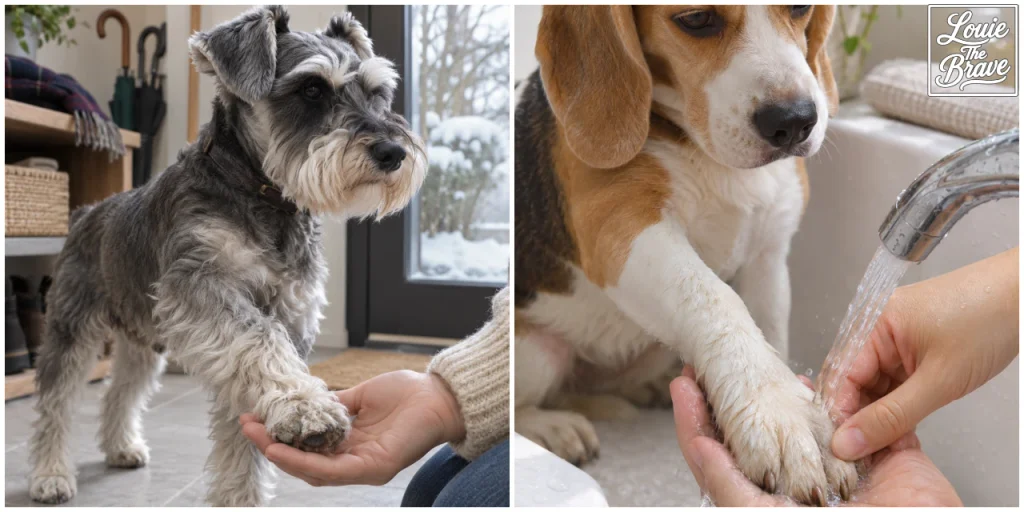
- Rinse with lukewarm water. Use a small basin, handheld sprayer, or gentle stream of water. Make sure the water reaches areas where road salt or slush may be trapped.
- Use dog shampoo only when needed. If water does not remove greasy or stubborn dirt, use a small amount of shampoo formulated for dogs. Rinse until all product residue is gone.
- Dry before allowing normal activity. Press a clean towel around the pads and between the toes to absorb moisture.
Avoid scrubbing the skin aggressively or forcing the toes apart. The spaces between a dog’s pads can be sensitive, especially when the skin is already dry or irritated.
Human hand soap and heavily fragranced cleansing products are unnecessary for routine paw care. A pet-safe grooming wipe may work for light dirt, but lukewarm water is a practical choice when thorough removal of road salt is needed.
What if ice is stuck between the toes?
Do not pull tightly attached ice balls from your dog’s fur. Pulling can tug at the skin or remove hair.
Instead, hold a washcloth soaked in lukewarm water against the affected area until the ice loosens. Gently separate the fur afterward and check whether the skin underneath looks irritated.
If your dog suddenly lifts a paw or refuses to continue walking, stop and inspect the foot rather than encouraging the dog to keep moving.
Why Drying Between the Toes Matters
Cleaning removes dirt and chemicals, but leaving moisture trapped between the toes can cause additional discomfort.
Dogs with longer hair around their feet may retain water even when the tops of their paws feel dry. Moisture can remain around the pads, nails, and skin folds where a towel does not easily reach.
After washing, wrap each paw in a soft, absorbent towel and press gently. Move the towel around the individual pads, then carefully expose the spaces between the toes to remove trapped water.
Pay attention to the longer fur surrounding the feet. If it remains damp, continue blotting until the paw feels dry.
A hair dryer is not necessary if you can dry the paws thoroughly with a towel. For dogs with dense or longer paw hair, a dryer on a low, cool setting may be useful if the dog tolerates it. Keep the airflow moving and avoid directing hot air toward sensitive skin.
Check for dampness again before letting your dog settle on bedding or return outside.
Repeated exposure to moisture, combined with friction and irritation, can make already sensitive skin uncomfortable. Drying also gives you another opportunity to notice small injuries that may have been hidden by wet fur.
When Should You Apply Dog Paw Balm?
Dog paw pads have naturally thick skin designed to absorb pressure and provide traction. Their surface often feels firmer and rougher than the skin elsewhere on the body.
A slightly rough texture is not automatically a sign of dryness or disease. Pads that are intact, comfortable, and not developing cracks do not necessarily need moisturizer after every walk.
Paw balm becomes more useful when the pads show visible dryness, superficial flaking, or mild cracking without bleeding or signs of infection.
How to apply paw balm
Choose a moisturizing balm or paw wax formulated for dogs. Read its directions and use a small amount on clean, dry pads.
Spread a thin layer over the affected surfaces without packing product into the spaces between the toes. Thick applications can leave excess residue that a dog may immediately try to lick.
If your dog begins licking the balm, redirect its attention with a toy or calmly hold the dog for a short period while the product absorbs, following the manufacturer’s instructions.
A product marketed for pets should not automatically be considered safe to consume in large quantities. Contact your veterinarian if you are unsure whether a particular ingredient is suitable for a dog that frequently licks its paws.
Paw balm versus paw wax
Moisturizing balms primarily address dry skin. Protective paw waxes are designed to form a barrier between paw pads and rough, snowy, or salt-treated surfaces.
Some products offer both functions, but their ingredients and directions differ.
For a dog with mildly dry pads, a moisturizing balm used after cleaning may be sufficient. For walks involving repeated exposure to treated sidewalks, a protective product applied before going outside may offer another layer of protection.
Neither product replaces washing away road salt after a walk.
Are Rough Dog Paw Pads Normal or a Sign of Cracking?
A healthy paw pad does not have to feel perfectly smooth.
According to PetMD, normal wear can produce a rough texture and shallow surface changes. Deep cracks that split the pad, bleed, or cause pain require veterinary attention.
The distinction matters because applying increasing amounts of moisturizer will not correct every cause of abnormal paw skin.
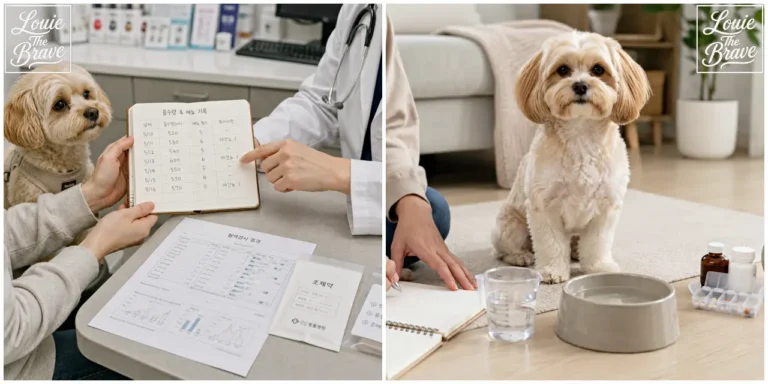
Louie, my Yorkshire Terrier, has had slightly rough areas on his paw pads since he was a puppy, even though he does not take especially long walks. When I apply moisturizer, he often tries to lick it off immediately, so I briefly hold him afterward.
He has also started licking his paws occasionally, although I have not noticed redness. I continue to watch for changes in the pads and the skin between his toes.
His experience illustrates why the appearance of a paw pad and a dog’s behavior both deserve attention. Roughness alone does not establish a medical problem, but recurring licking should not automatically be attributed to dryness.
Dogs can develop painful cracks from cold weather, irritating chemicals, repeated friction, or underlying skin conditions. A pad that becomes unusually thick, develops widespread cracking, or changes in appearance needs more than routine moisturizing.
Why Does a Dog Keep Licking Its Paws After a Winter Walk?
Paw licking can have several causes, and dry pads are only one possibility.
A dog may lick its feet after walking through irritating de-icing chemicals or because a small piece of grit is stuck near a nail. Itching from allergies, skin inflammation, or an infection can also trigger repeated licking.
The location and timing of the behavior offer useful clues.
If your dog starts licking immediately after coming indoors, examine the paws for residue, debris, and signs of irritation. If the behavior continues after cleaning and drying, look more closely at the skin between the toes.
Check whether the skin is red, swollen, unusually moist, or developing an unpleasant odor. Crusting, sores, or changes in skin color also warrant attention.
Repeated licking can contribute to further skin irritation. In some dogs, bacterial skin infections may develop alongside other skin problems. Our guide to pyoderma in dogs explains the skin changes associated with this type of infection.
What if the skin looks normal?
Normal-looking skin does not rule out discomfort or itching.
Watch whether the licking occurs only after walks, follows the application of a grooming product, or happens repeatedly throughout the day.
A dog concentrating on one paw may have a localized injury, trapped debris, or another problem affecting that foot. Licking several paws can occur with broader skin irritation or allergies.
If the licking becomes frequent, interrupts normal activities, or continues despite removing possible irritants, arrange a veterinary examination. Repeatedly applying paw balm without investigating persistent licking may delay recognition of the actual cause.
How to Protect Dog Paws Before Winter Walks
A practical routine for dog paw care after winter walks also includes reducing exposure to hazards before leaving home.
Road conditions, the dog’s tolerance for cold, and the health of its paw pads all influence the type of protection that makes sense.
Dog boots for salt-covered sidewalks
Well-fitting dog booties provide a physical barrier against ice, road salt, and cold ground.
They are especially worth considering for dogs with sensitive paws or those regularly walking on treated streets and sidewalks.
Choose boots using the manufacturer’s paw measurements. They should stay securely in place without restricting movement or rubbing the skin.
Introduce them gradually indoors with short, positive practice sessions. After a walk, remove the boots and check for trapped moisture, rubbing, or debris.
Boots are useful protective equipment, but they are not suitable for every dog. A dog that becomes distressed or cannot walk comfortably in a particular pair may need a different fit or another form of protection.
Protective paw wax
Paw wax can be an alternative when a dog will not tolerate boots.
Apply the product according to its label before going outside. It can form a temporary barrier, but it will not prevent every possible injury from sharp ice or prolonged cold exposure.
Remove outdoor residue after the walk and inspect the pads as usual.
Keep excess paw hair under control
Long hair that extends over the pads can collect snow, ice, and road salt.
Trimming excess hair around the edges of the paw may reduce ice buildup and make cleaning easier. Avoid shaving deeply between the toes or removing hair so closely that the delicate skin becomes exposed.
If your dog pulls its paws away or moves unpredictably during grooming, ask a professional groomer to handle the trimming.
Dogs do not need completely shaved feet to stay comfortable in winter.
Choose safer walking routes
Avoid heavily salted sidewalks when a less-treated route is available. Watch for sharp ice, frozen slush, and areas where melting chemicals collect.
The ASPCA notes that products labeled “pet safe” are not guaranteed to be harmless. These products can still cause irritation or digestive upset, depending on their ingredients and the amount swallowed.
For small dogs, thin-coated breeds, and dogs sensitive to cold, appropriate winter clothing and shorter outings may also be necessary. Protective paw products do not eliminate the risk of frostbite or hypothermia during severe weather.
When Do Winter Paw Problems Need Veterinary Care?
Mild surface dryness may improve with gentle cleaning, protection, and a dog-specific moisturizer. Symptoms involving pain, bleeding, or persistent inflammation require a different response.
Contact your veterinarian promptly if your dog develops bleeding cracks, open wounds, swelling, or difficulty putting weight on a paw.
Excessive licking, chewing, or biting also deserves attention, particularly when the behavior continues after cleaning or when the skin becomes red, moist, or damaged.
Cold injury is another concern. If a dog has been exposed to extreme cold and the paw develops unusual discoloration, marked pain, swelling, or blisters, seek veterinary care promptly.
Do not attempt to treat suspected frostbite with direct heat or vigorous rubbing.
If your dog swallows a de-icing product or develops vomiting, drooling, or other symptoms after possible chemical exposure, contact a veterinarian or animal poison control service immediately. Keep the product packaging or ingredient information available if possible.
Regular inspection makes it easier to identify when a previously healthy paw has changed.
A Practical Routine for Cleaner, More Comfortable Paws
A simple paw-care station near the door can make winter cleanup easier. Keep a soft towel, a small container of lukewarm water, and any dog-specific grooming products you actually need within reach.
After each walk, check the paws before choosing a cleaning method. Dry clean paws that are only wet, rinse away suspected road salt or ice-melt residue, and make sure moisture is removed from between the toes.
Use paw balm when the pads show dryness that needs attention, and monitor any changes in texture, appearance, or licking behavior.
Consistent dog paw care after winter walks should leave your dog’s feet clean, dry, and comfortable without exposing the skin to unnecessary cleansers. If the paws become painful, develop deep cracks, or remain irritated despite appropriate care, have your veterinarian examine them.
Source
- Cornell University College of Veterinary Medicine — Winter Safety Tips
- VCA Animal Hospitals — How to Keep Your Dog’s Paws Safe in Winter
- American Kennel Club — How to Care for and Clean Dog Paws and Paw Pads
- PetMD — 7 Ways to Clean Your Dog’s Paws
- PetMD — Cracked Dog Paws? Common Causes and How to Care for Your Pup’s Cracked and Dry Paws
- ASPCA — Is It Safe to Use De-Icers Around Your Dog?