NexGard Spectra Monthly Schedule : How Long to Continue?

For most dogs in the United States, winter is not a good reason to stop heartworm prevention. The American Heartworm Society recommends giving a heartworm preventive 12 months a year because mosquito exposure is difficult to predict, infected mosquitoes can get indoors, and heartworm disease has been diagnosed across the country.
That makes a NexGard Spectra monthly schedule easier to think about as a consistency problem, not a weather-calendar problem. If your dog is taking NexGard Spectra in a country where it is licensed, follow the local product label and your veterinarian’s instructions. The product’s Great Britain information allows seasonal heartworm use when vectors are present, while U.S. heartworm guidance favors uninterrupted year-round prevention.
One important U.S. note: NexGard Spectra and NexGard PLUS are not the same product. NexGard Spectra contains afoxolaner and milbemycin oxime and is labeled in other countries. NexGard PLUS contains afoxolaner, moxidectin, and pyrantel and has its own U.S. FDA-approved label. Similar names do not mean the products or their dosing instructions are interchangeable.
Should You Give NexGard Spectra Every 30 Days All Year?
NexGard Spectra’s Great Britain product information says heartworm prevention is given at regular monthly intervals during the time of year when mosquito vectors are present. Treatment begins in the month after the first expected mosquito exposure and continues until one month after the last exposure. The label also recommends using the same day or date each month to make the routine easier to maintain.
That means seasonal use can exist under some local labels. The harder question is whether a pet owner can accurately identify the first and last meaningful mosquito exposure of the year.
Do not carry that one-month-after-last-exposure instruction over to NexGard PLUS in the United States. The current U.S. label for NexGard PLUS recommends monthly dosing year-round, or at minimum starting within one month of the dog’s first seasonal mosquito exposure and continuing for at least six months after the last exposure. The products have different active ingredients and different approved labels.
For U.S. dogs, the American Heartworm Society takes the simpler approach: give heartworm prevention 12 months a year. Mosquito seasons vary from year to year, protected spaces can stay warmer than regional weather reports suggest, and some mosquitoes can survive in indoor or sheltered environments. A dog that spends most of the day indoors is not automatically at zero risk.
This is why I keep Louie, my Yorkshire Terrier, on a fixed 30-day reminder as NexGard Spectra monthly schedule without a seasonal break. He spends a lot of time indoors, but I do not want to guess when his final mosquito exposure happened.
If you are comparing products under the NexGard name in the United States, my separate guide to NexGard Spectra, NexGard, and NexGard PLUS explains why their ingredients and parasite coverage should not be treated as interchangeable.
Why Does Monthly Timing Matter for Heartworm Prevention?
Monthly heartworm preventives are not a force field that blocks mosquito bites. They work against susceptible immature heartworm stages after transmission has already occurred. That is why the timing of the next dose matters.
The American Heartworm Society explains that heartworm preventives act against infections acquired during the preceding period, so monthly medications need to be given on time and consistently. Stretching a monthly interval simply because the weather has become cooler can create a prevention gap that is difficult for the owner to recognize.
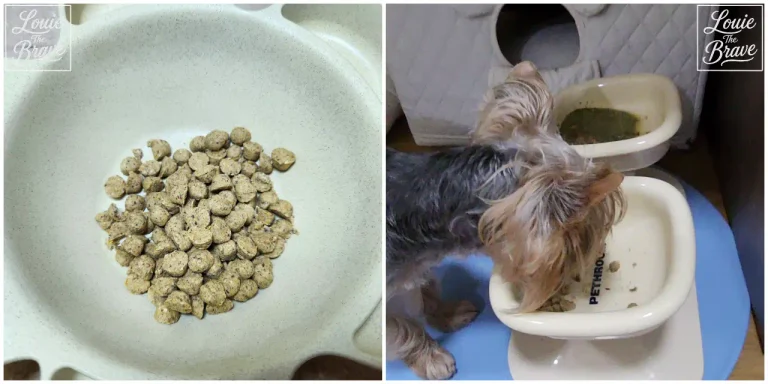
Louie’s first NexGard Spectra chew at about seven months old was followed by vomiting. At the time, I assumed the medication was too strong for him and, on my own, started spacing doses about 36 days apart. Later, his veterinarian told me to keep the interval monthly rather than extending it. Since then, I have used a 30-day reminder.
That personal experience is not a dosing rule for every dog, but it changed how I think about the NexGard Spectra monthly schedule: if a medication is prescribed monthly, I do not extend the interval based on my own guess about weather or exposure.
A consistent NexGard Spectra monthly schedule also makes it easier to notice when a dose is approaching instead of relying on the weather or memory. I prefer setting the next date as soon as Louie takes his chew, so the interval does not slowly stretch beyond the intended monthly routine. Keeping the NexGard Spectra monthly schedule on a recurring calendar reminder is a simple way to reduce accidental gaps, especially during fall and winter when parasite prevention can be easier to forget.
A calendar date, phone reminder, or recurring medication tracker can help. The goal is not to obsess over the number 30. It is to keep a monthly medication from gradually turning into a five- or six-week interval.
Can You Stop in Winter if You Rarely See Mosquitoes?
The risk usually changes with season, but “fewer mosquitoes” is not the same as “no possible exposure.”
The American Heartworm Society reports heartworm disease throughout the United States and recommends year-round prevention even in cold climates. It also notes that indoor pets can still be exposed because mosquitoes may enter homes. The FDA similarly recommends year-round heartworm prevention and notes that dogs can be left unprotected if mosquitoes return before seasonal medication has been restarted.
For an owner, the problem is timing. The first frost is not necessarily the date of the last mosquito bite, and the first warm spell of spring may arrive before prevention is restarted. Travel can also change a dog’s exposure unexpectedly.
If you live somewhere with a true mosquito-free season and your veterinarian recommends seasonal prevention, follow the label for the exact product your dog uses. Do not copy the schedule for another country, another heartworm medication, or another dog.
For U.S. owners, year-round prevention is the more straightforward default. For dogs already following a NexGard Spectra monthly schedule, colder weather alone does not automatically mean the routine should change. The main question is whether the dog still needs continuous parasite prevention under the product label and veterinary guidance that apply where the dog lives. Keeping the NexGard Spectra monthly schedule consistent also avoids having to guess when mosquito exposure has completely ended or when it may begin again.
What About Ticks in Cold Weather?
NexGard Spectra also contains afoxolaner for fleas and ticks, but that does not mean a tick can never attach.
The product information states that fleas and ticks must attach to the dog and begin feeding before they are exposed to afoxolaner. It also states that the risk of transmission of vector-borne diseases cannot be completely excluded.
So parasite medication and post-walk checks solve different problems. Medication is one layer of protection. After walks through grass, brush, leaf litter, or wooded areas, it still makes sense to check the coat and skin, especially around the ears, neck, armpits, groin, paws, and between the toes.
This is another reason I do not use “it is winter now” as the only reason to change Louie’s parasite routine.
What If You Miss a Monthly Dose?
If the NexGard Spectra monthly schedule has already been interrupted, do not double the next dose unless your veterinarian specifically instructs you to.
For heartworm prevention in general, the American Heartworm Society advises owners who have missed or delayed monthly prevention to consult their veterinarian, restart prevention promptly, and retest the dog six months later. A recently acquired infection may not be detectable immediately.
The exact plan can depend on how late the dose is, which product your dog uses, your dog’s age, previous heartworm testing, and local exposure risk. That becomes particularly relevant after a gap of several months or travel to an area where heartworm transmission is common.
If your dog is using NexGard Spectra outside the United States, follow the local label for that product. If your dog is in the United States, use the heartworm preventive prescribed for your dog rather than substituting NexGard Spectra for a U.S. NexGard product with different active ingredients.
A Simple Way to Decide Whether to Continue
These are the practical differences to keep straight:
| Question | Practical answer |
|---|---|
| Should I stop heartworm prevention just because winter arrived? | For U.S. dogs, AHS recommends year-round prevention. |
| Does NexGard Spectra have a seasonal heartworm schedule in some countries? | Yes. Great Britain product information allows monthly dosing during vector season and through one month after the last mosquito exposure. |
| Does NexGard PLUS use the same U.S. schedule? | No. Its current U.S. label recommends year-round monthly use, or at minimum continuing for six months after the last mosquito exposure. |
| Is an indoor dog completely protected from mosquitoes? | No. Indoor exposure can still occur. |
| Does NexGard Spectra prevent every tick from attaching? | No. Ticks must attach and begin feeding before afoxolaner exposure occurs. |
| What if I miss a monthly heartworm dose? | Contact your veterinarian, restart as directed, and discuss follow-up heartworm testing. |
For my own dog, the answer is simple: I keep the monthly routine going. A consistent NexGard Spectra monthly schedule also makes it less likely that I will accidentally create a longer gap by stopping and restarting with the seasons.
The reason is not that every winter day carries exactly the same parasite risk. I simply cannot reliably identify the exact day when mosquito exposure becomes impossible and then predict exactly when it will return.
For U.S. dog owners, that conclusion matches the American Heartworm Society’s year-round recommendation. For dogs taking NexGard Spectra in another country, the appropriate schedule is the one that matches the local product label, local parasite exposure, and the plan made with the veterinarian who prescribes it.
Source: