Syphilis Symptoms in Men and Women: Rash and Testing
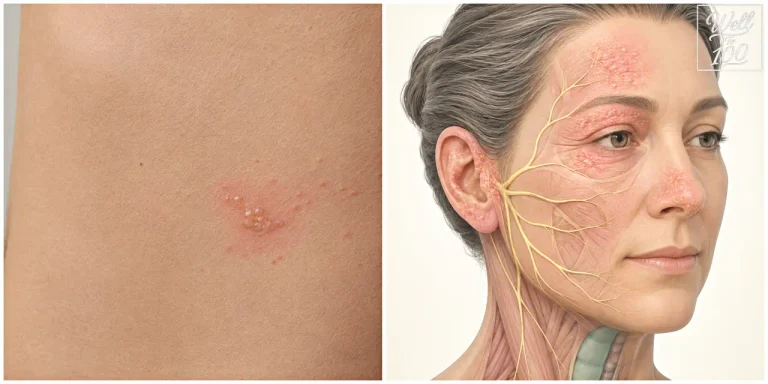
Syphilis symptoms in men and women are generally the same. The main difference is not the infection itself, but where a sore appears and how easy it is to notice. A painless sore on the penis may be visible, while a sore inside the vagina, on the cervix, in the rectum, or under the foreskin can be missed.
A sore or rash alone cannot confirm syphilis. Symptoms may disappear without treatment, and a person can enter a latent stage with no visible symptoms. If you have had a possible sexual exposure, a partner has been diagnosed with syphilis, or you develop an unexplained sore or rash, testing matters even if the skin looks normal again.
Do syphilis symptoms differ in men and women?
Syphilis does not have a separate set of symptoms for men and women. In the primary stage, the infection can cause one or more sores, called chancres, where Treponema pallidum entered the body. These sores can occur on or around the penis, vagina, anus, rectum, lips, or mouth. They are usually firm, round, and painless, although CDC guidance notes that lesions can also be atypical, multiple, or painful.
The biggest practical difference is visibility. A sore on the outside of the penis may be easier to see. In men, lesions under the foreskin, inside the anus or rectum, or in the mouth may be overlooked. In women, sores can occur on the vulva but also inside the vagina or on the cervix, where they may not be noticed without an exam.
Early Syphilis Symptoms may start with a painless sore
A primary Syphilis Symptoms sore often causes little discomfort. CDC says the sore usually lasts about 3 to 6 weeks and can heal whether or not treatment is given. Healing does not mean the infection is gone. Without treatment, syphilis can progress to the next stage.
Because the sore can be painless and hidden, people may never realize they had a primary-stage lesion. A genital ulcer can also have causes other than syphilis, so appearance alone is not enough for diagnosis.
A syphilis Symptoms rash can involve the palms and soles
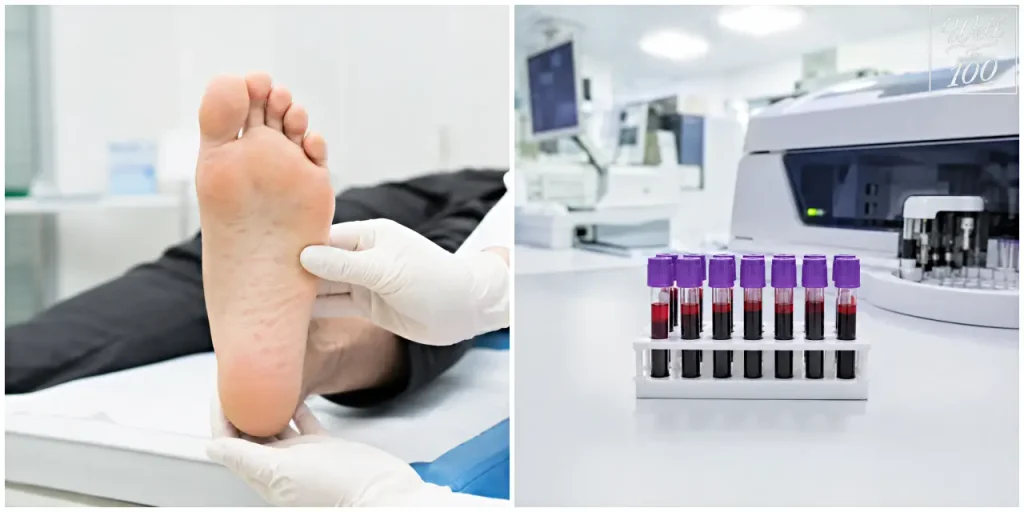
During secondary syphilis, a rash may appear while the original sore is healing or several weeks after it disappears. The rash may affect many areas of the body, including the palms of the hands and soles of the feet. It is often not itchy and may be faint enough to miss.
Other possible secondary symptoms include fever, swollen lymph nodes, sore throat, headaches, muscle aches, fatigue, and patchy hair loss. These symptoms can also improve without treatment, but the infection can remain in the body.
A simple way to understand the stages is:
| Stage | What may be noticed |
|---|---|
| Primary | One or more sores at the site of infection, often painless |
| Secondary | Body rash, including palms or soles, plus possible flu-like symptoms |
| Latent | No visible signs or symptoms |
| Tertiary | Serious organ damage in some untreated cases |
A rash on the palms or soles is not specific to syphilis. Other skin conditions and infections can look similar, so laboratory testing is needed when syphilis is a possibility.
How syphilis blood testing works in the U.S.
Syphilis blood testing generally uses two categories of tests. Nontreponemal tests include the rapid plasma reagin (RPR) and Venereal Disease Research Laboratory (VDRL) tests. Treponemal tests include assays such as TP-PA, EIA, and CIA.
CDC recommends using nontreponemal and treponemal tests together rather than relying on a single reactive result. Some laboratories start with RPR or VDRL and then confirm a reactive result with a treponemal test. Others use a reverse sequence approach that starts with an automated treponemal test and follows with a quantitative RPR or VDRL.
RPR and VDRL titers are useful for monitoring response after treatment, but the same test method should be used for follow-up because RPR and VDRL values are not directly interchangeable.
Treponemal tests are different. Most people with a reactive treponemal test remain reactive for many years, often for life, even after adequate treatment. For that reason, a treponemal-positive result by itself does not prove that an infection is currently active. Blood tests are also used for many conditions that may have few or no obvious symptoms; this guide explains how A1C and fasting glucose are interpreted when checking for diabetes even without weight loss.
Can a syphilis test be negative early after exposure?
Yes. Very early infection may not yet produce a detectable antibody response, so timing matters. If recent infection is still possible, a healthcare professional may recommend repeat testing based on the exposure date, symptoms, physical exam, and the pattern of the first test results.
For example, CDC recommends repeating a nontreponemal test in 2 to 4 weeks in certain situations when a treponemal test is reactive, the RPR or VDRL is nonreactive, and recent exposure is possible. This interval is not a universal rule for every exposure, so the testing plan should be based on the specific situation.
When testing is especially important
Consider medical evaluation if you have a painless genital, anal, or oral sore; an unexplained rash that includes the palms or soles; or a sexual partner who has been diagnosed with syphilis. Testing can still be appropriate when symptoms have already disappeared.
Pregnancy deserves special attention because syphilis can be passed to a fetus. CDC recommends syphilis testing for all pregnant women at the first prenatal visit, with additional testing later in pregnancy for some people based on risk and local requirements.
Syphilis can also affect the eyes, ears, brain, and nervous system at different stages. New vision changes, hearing loss or ringing in the ears, or neurologic symptoms should be evaluated promptly rather than waiting for a rash or sore to return.
The key point is that visible symptoms are only one part of the picture. If exposure is possible, tell your healthcare professional when it happened, what symptoms you noticed, whether a partner has been diagnosed, and the date and type of any previous syphilis test. That information helps determine which tests to use and whether repeat testing is needed.
Source:
- Centers for Disease Control and Prevention — About Syphilis
- Centers for Disease Control and Prevention — STI Treatment Guidelines: Syphilis
- Centers for Disease Control and Prevention — CDC Laboratory Recommendations for Syphilis Testing, United States, 2024
- Centers for Disease Control and Prevention — Syphilis During Pregnancy