Yourgreen Women D Gamma-Linolenic Acid Review for PMS
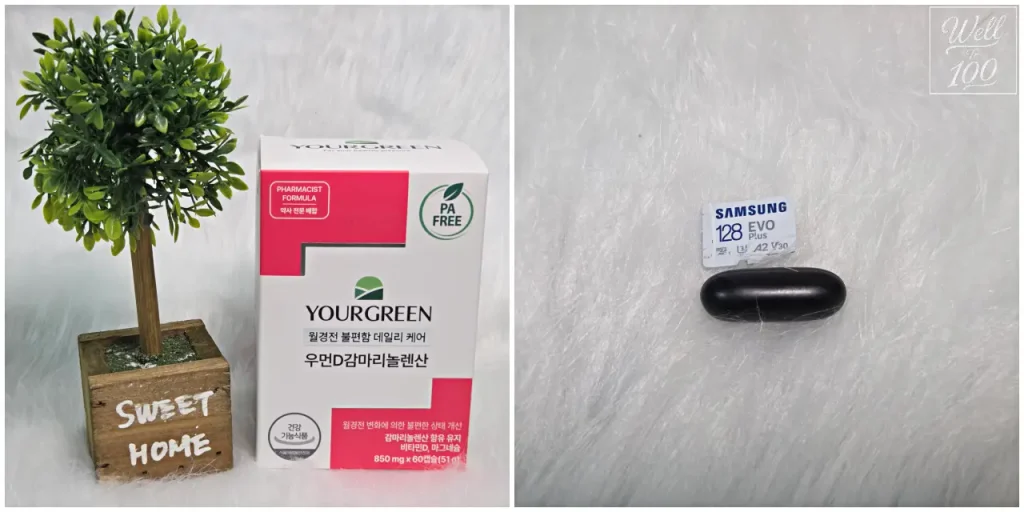
Premenstrual irritability is the main reason I started paying more attention to my monthly routine. Nothing specific has to go wrong, but a few days before my period I can feel unusually touchy or simply “off.” Because this pattern tends to repeat around the same point in my cycle, I wanted a supplement that was easy to take consistently rather than something I would remember only when symptoms started.
Yourgreen Women D appealed to me because it combines borage-derived gamma-linolenic acid (GLA), magnesium, and vitamin D3 in one product. I liked the convenience, the individual packaging, and the surprisingly easy swallow despite the capsule looking a little large. But for a U.S. reader, I would not buy it on the assumption that GLA is a proven PMS treatment. The evidence for GLA-containing oils and PMS is still limited.
What Is in Yourgreen Women D?
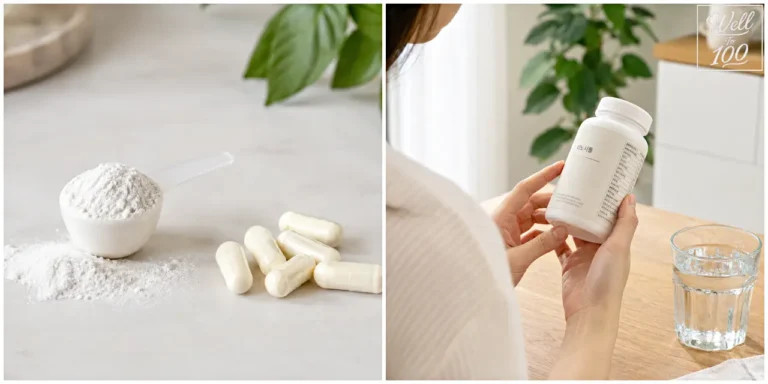
GLA is an omega-6 fatty acid found in plant oils such as borage oil and evening primrose oil. This product uses borage oil as its GLA source and also includes magnesium and vitamin D3.
That combination made practical sense for me because I prefer one routine over several separate bottles. Magnesium is also mentioned in American College of Obstetricians and Gynecologists guidance as a supplement that may help some PMS-related bloating, breast tenderness, and mood symptoms. However, the material provided for this review does not include a full U.S.-style Supplement Facts panel with the exact daily amounts of magnesium, vitamin D3, and GLA. I therefore cannot judge whether the amounts match doses used in research or meaningfully contribute to PMS symptom relief.
The brand also describes its borage ingredient as PA-free. That detail is worth noticing because NCCIH notes that some borage products may contain pyrrolizidine alkaloids, compounds that can harm the liver. I would still want to see the full ingredient specification or manufacturer documentation rather than rely on a front-of-box claim alone.
Does GLA Actually Help PMS?
This is where the marketing story and the evidence need to be separated.
GLA is biologically interesting, and evening primrose oil and other GLA-containing oils are commonly promoted for PMS. However, the National Center for Complementary and Integrative Health states that there is not enough evidence to show that evening primrose oil is helpful for PMS. MedlinePlus also notes that supplements used for PMS do not have enough evidence to establish that they are effective.
So I would describe GLA as an ingredient people use for premenstrual symptoms, not as a proven treatment. If symptoms are severe enough to interfere with work, relationships, sleep, or daily functioning, that is a better reason to discuss PMS or PMDD with an ob-gyn than to keep adding supplements. ACOG defines PMS in part by recurring symptoms that affect normal life.
My Experience With the Capsule and Packaging
The capsule looked bigger than I expected when I compared it with a microSD card. I am not very comfortable with large pills, so that first impression made me hesitate.
In practice, though, it went down more easily than I expected and did not feel stuck in my throat. That matters to me because a supplement can have an impressive ingredient list and still fail as a routine if I dislike taking it.
I also liked the individual packaging. It is easier to keep the capsules organized and feels more convenient for travel or carrying a dose in a bag.
I did not use this product as a short-term “take it right before my period” fix. My goal was to keep a steadier daily routine around sleep, meals, light activity, and supplements. I also would not claim that the product changed my PMS symptoms medically, because my experience does not prove cause and effect.
What I Would Check Before Buying It
The biggest missing piece for a U.S. shopper is the exact amount of each active ingredient per daily serving. That matters because magnesium and vitamin D can overlap with multivitamins, sleep supplements, bone-health products, and other women’s formulas.
For adults, NIH lists an upper limit of 350 mg per day for magnesium from supplements and medications, not including magnesium naturally present in food. The adult upper limit for vitamin D is 100 mcg, or 4,000 IU, per day, unless a clinician recommends a different amount for a specific medical reason.
Magnesium can also interfere with the absorption of certain antibiotics and oral bisphosphonates. If you take prescription medication, are pregnant or breastfeeding, or use several supplements at the same time, I would review the full ingredient amounts with a doctor or pharmacist before adding this product.
My Current Take on Yourgreen Women D
For me, the main advantage is how easily the product fits into my routine. I like having GLA, magnesium, and vitamin D3 in one formula, the individual packaging is convenient, and the capsule was easier for me to swallow than it looked.
My caution is the same one I would give with many PMS supplements: convenience is not the same as proven effectiveness. I would consider this product for its formulation and ease of use, not because I expect it to treat PMS. For U.S. buyers, the most important step is to verify the exact daily GLA, magnesium, and vitamin D3 amounts and make sure they do not duplicate other supplements or conflict with medications.
Source:
American College of Obstetricians and Gynecologists, Premenstrual Syndrome (PMS)
National Center for Complementary and Integrative Health, Evening Primrose Oil: Usefulness and Safety
National Center for Complementary and Integrative Health, Rheumatoid Arthritis: In Depth
MedlinePlus, Premenstrual Syndrome
NIH Office of Dietary Supplements, Magnesium Fact Sheet for Consumers
NIH Office of Dietary Supplements, Vitamin D Fact Sheet for Consumers