Yorkie Puppy Growth: Louie From 8 Weeks to 15 Months
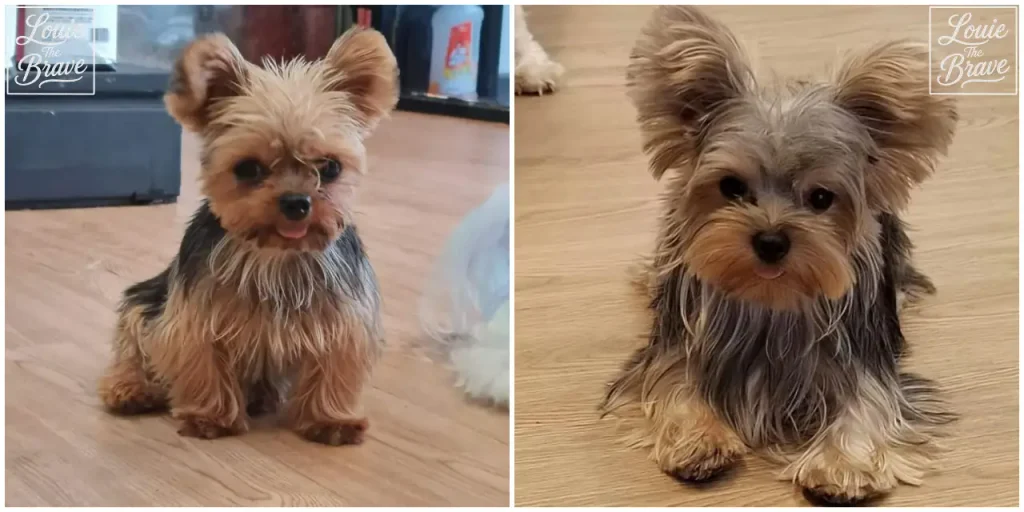
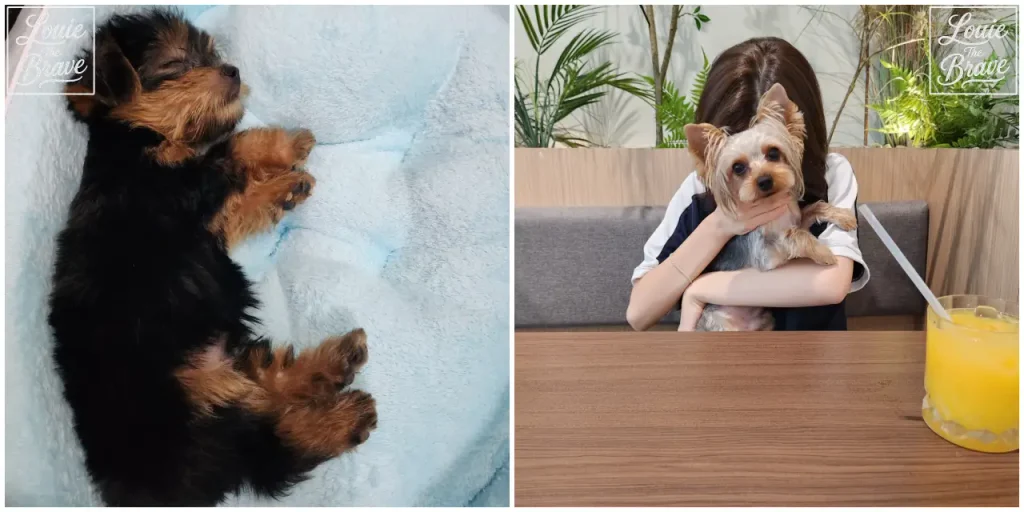
Yorkie puppy growth can be surprisingly dramatic even when the dog stays tiny. Louie came into our family at 60 days old, and by 15 months his face, coat, and overall silhouette looked very different from the little black-and-tan puppy we first held.
What changed most was his coat color. What stayed almost exactly the same was his energetic, stubborn, ball-obsessed personality.
Louie at 8 Weeks: The Beginning
Louie was born on August 5, 2023, in Malaysia. We met him on October 3, when he was 60 days old.
I had planned to wait before bringing home a dog because our family still had travel plans. Then my daughter, Tori, asked to visit one more place. She picked up this tiny Yorkshire Terrier and did not want to put him down.
That was the day Louie became part of our family.
In his earliest photos, he had the darker puppy look that many people associate with Yorkies: a mostly black body with warm tan around the face and legs. His body also looked softer and rounder, with the fluffy proportions of a very young puppy.
The Biggest Visible Change Was His Coat
The American Kennel Club breed standard describes Yorkshire Terrier puppies as being born black and tan, with the body color changing as they mature. Adult show-standard Yorkies have a dark steel-blue body coat with rich tan on the head and legs.
That general pattern is easy to see in Louie’s photos. His puppy coat was much darker, while later photos show a lighter gray-blue or silver-looking body and a brighter tan face and legs.
AKC grooming guidance also notes that the Yorkie coat changes during adolescence, roughly between 6 and 18 months, as the softer puppy coat develops toward the adult silky coat.
Lighting, coat length, grooming, and the way his hair falls can make Louie look more silver or more tan from one photo to another. In our family, we even joke that his head looks lighter when he is tired. I treat that as one of Louie’s funny visual quirks, not as a general Yorkie trait.
Comparing photos taken months apart makes the gradual coat change much easier to see. His coat still needs regular maintenance now that he is older, and I also keep notes on how different grooming routines work for him, including our current post-walk coat-care routine.
His Personality Changed Less Than His Appearance
Louie may look more grown up, but his personality is still unmistakably Louie.
He is active, opinionated, and extremely serious about ball games. He loves chasing a ball, but giving it back is another story. If someone tries to take it from him, his stubborn side appears immediately.
We often go to the dog park with Tori, and those outings show the same personality we saw when he was small: curious, energetic, and always ready to make his own decisions.
That contrast is one reason I like keeping a growth record. A puppy’s body can change quickly, while the little habits that make that dog recognizable may stay for years.
Why I Keep a Yorkie Growth Record
I started documenting Louie because small changes are easy to miss when you see your dog every day.
Photos make those changes visible. The ears look different. The face becomes more defined. The coat color shifts. Hair length changes the entire expression. Even the way a dog sits or looks at the camera starts to feel more adult.
I also want the record to be about more than appearance. Louie’s birthday, the day he joined our family, his favorite games, the places we visit, and the small personality traits we would otherwise forget are all part of his growth.
For me, that is what a useful Yorkie puppy growth record should capture: not just size, but the dog becoming more and more himself.
What to Compare in Your Own Yorkie Photos
If you are documenting your own Yorkie puppy, try taking photos from similar angles every few months. Compare the body coat, face color, ear hair, leg color, coat texture, and overall proportions.
Do not rely on a single photo to judge coat color. Indoor lighting, sunlight, grooming, hair length, and camera settings can all change how the shade appears.
Most importantly, keep the individual dog at the center of the record. Breed standards describe the ideal show appearance, but a family photo diary is about noticing how your own dog changes.
Louie grew from a tiny black-and-tan puppy into the silver-and-tan Yorkie in our later photos, but the most memorable part of the process has been watching his personality become even clearer. That is the part I want to keep recording for as long as we have together.
Source:
American Kennel Club — Official Standard of the Yorkshire Terrier
American Kennel Club — How to Groom a Yorkshire Terrier