Blood Stem Cell Donation: How the Process Really Works
Blood stem cell donation does not begin with a procedure. It begins by joining a donor registry and providing a cheek swab so your human leukocyte antigen, or HLA, type can be added to the database.
In the United States, NMDP accepts new registry members from ages 18 through 35 who meet its eligibility requirements. Once someone joins, they generally remain on the registry until age 61 unless they request removal. Being registered does not mean you will definitely donate. Some people are contacted years later, while others are never identified as the best match for a patient.
How Does Blood Stem Cell Donation Registration Work?
Joining the registry is different from actually donating blood stem cells.
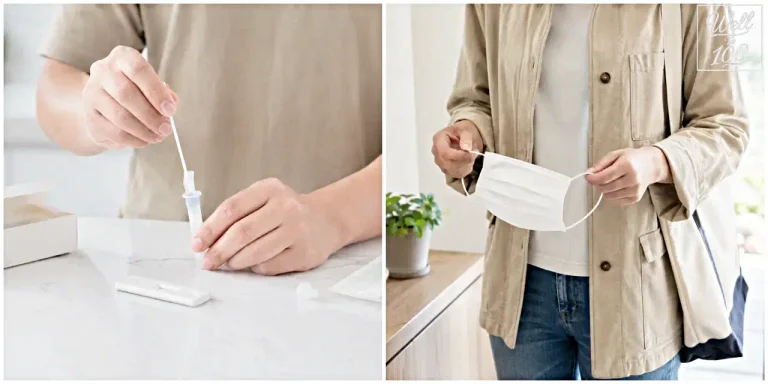
The first step is an online registration and health screening. Eligible applicants receive a cheek-swab kit, collect cells from inside the mouth, and return the sample for HLA typing.
HLA markers are proteins found on most cells in the body. Transplant teams use them to evaluate whether a donor and patient are compatible. HLA matching is not the same as blood-type matching.
Because HLA is inherited, a full biological sibling who shares both parents has a 25% chance of being a full HLA match. A patient may also match an unrelated donor, and people with similar ancestral backgrounds can be more likely to share HLA characteristics.
Registration can therefore be summarized simply:
Join the registry → provide a cheek swab → HLA information is added to the registry
Nothing is collected from your bone marrow when you first register.
What Happens If You Are Identified as a Possible Match?
A possible match is not the same as being chosen as the donor.
If your HLA information appears compatible with a patient, NMDP may contact you and ask whether you are willing to continue. Additional testing may involve another cheek swab, a blood sample, or testing of an already stored sample.
You may be one of several potential donors being considered for the same patient. The transplant team reviews HLA results and other medical factors before selecting the donor they believe is most appropriate.
If you move forward, the process includes a detailed health history, additional blood tests, a physical examination, and informed consent. These steps help determine whether donation is medically appropriate for both the donor and the patient.
The overall process looks like this:
Registry enrollment → possible HLA match → additional testing → donor selection → medical evaluation → donation
That is why joining the registry should not be confused with immediately committing to a collection procedure.
Can You Change Your Mind After Joining the Registry?
Yes. Joining the registry and donating are voluntary.
NMDP states that a registry member can change their mind during the process. However, timing becomes increasingly important once a patient is preparing for transplant.
Before transplantation, a patient may receive intensive treatment to prepare the body for the donated cells. If a selected donor decides not to continue, the donor team needs to know as soon as possible so another donor can be considered.
This does not mean someone should be pressured into donating. It means that understanding the process before joining can help you decide whether you would be willing to seriously consider blood stem cell donation if you are ever contacted.
PBSC vs. Bone Marrow Donation
Adult donors can provide blood-forming stem cells in two main ways: peripheral blood stem cell donation (PBSC) or bone marrow donation.
NMDP reports that about 90% of its donors provide PBSC, while about 10% donate bone marrow. The patient’s transplant doctor determines which method is preferred for that particular transplant.
| Feature | PBSC Donation | Bone Marrow Donation |
|---|---|---|
| Type of procedure | Nonsurgical | Surgical |
| Main preparation | Filgrastim injections for 5 days | Preoperative evaluation and anesthesia |
| Collection | Apheresis from circulating blood | Liquid marrow collected from the pelvic bones |
| Typical procedure time | About 4–8 hours | About 1–2 hours |
| General anesthesia | No | Usually |
| Hospital stay | Usually outpatient | Usually same-day discharge; sometimes overnight |
| Return to regular activities | Often within several days | Often within 2–7 days |
Peripheral Blood Stem Cell Donation
PBSC donation collects blood-forming stem cells that are circulating in the bloodstream.
For five days before donation, the donor receives filgrastim or an FDA-approved similar medication. This increases the number of blood-forming stem cells available in the blood.
On donation day, blood is usually drawn from one arm and passed through an apheresis machine. The machine separates the blood stem cells and returns the remaining blood through the other arm.
Most PBSC collections take four to eight hours and are completed in one session. Some donors need a second session the following day.
Common temporary effects of the preparation medication can include headache, tiredness, and bone or muscle aches. During apheresis, some people experience tingling around the mouth or fingers because of the anticoagulant used in the machine.
Most donors return to work, school, and many regular activities within several days, although recovery varies from person to person.
Bone Marrow Donation
Bone marrow donation is performed in a hospital under anesthesia.
Doctors use sterile needles to withdraw liquid marrow from the back of the pelvic bones. Bone marrow is not taken from the spinal cord, and the procedure does not involve removing a bone.
Nearly all NMDP marrow donors receive general anesthesia, although regional anesthesia may sometimes be used. The collection usually takes about one to two hours.
Afterward, donors may have temporary soreness in the lower back or hips, fatigue, or mild nausea. Most donors go home the same day, although some hospitals arrange an overnight stay.
NMDP reports that many marrow donors return to work, school, and daily activities within two to seven days. The body naturally replenishes the donated marrow over the following weeks.
Why Are So Many Potential Donors Needed?
Finding a compatible donor can be difficult because HLA matching is highly specific.
Even among full biological siblings, each sibling has only a one-in-four chance of being a full HLA match. NMDP states that about 70% of patients who need a transplant do not have a fully matched donor in their immediate family.
That makes unrelated donor registries an important part of the transplant system.
The U.S. Health Resources and Services Administration reported that the U.S. donor registry contained more than 9.4 million potential adult donors in fiscal year 2025. A large registry increases the pool that transplant teams can search, although having millions of registered donors does not guarantee that every patient will have the same chance of finding a suitable match.
What Should You Consider Before Joining?
The first question is whether you meet the current registry requirements.
NMDP currently accepts new members ages 18 to 35 who live in the United States, U.S. territories, or freely associated states and meet its health guidelines. Someone who joined while eligible can remain on the registry through age 60 and may still be contacted after age 35.
Health eligibility is assessed more closely if you become a possible donor. Your medical history, current health, height, weight, medications, and other factors may affect whether donation is appropriate. Serious medical conditions can require separate specialist evaluation before donation is considered. For example, brainstem glioma symptoms, MRI findings, and diagnosis involve neurologic assessment and imaging rather than a simple symptom check.
It is also useful to consider the practical commitment. Becoming the selected donor can mean medical appointments, laboratory testing, time away from work or school, and travel to a collection center.
NMDP states that donors are not charged for donation-related medical care and that it covers eligible donation and travel expenses, including transportation, hotel stays, meals, lost wages, childcare, and pet care.
Understanding these details before registering can make the decision more concrete. You are not agreeing to a bone marrow procedure simply by sending in a cheek swab, but you are placing yourself in a registry so you can be contacted if your HLA type may help a patient.
The Bottom Line
Blood stem cell donation happens in stages.
Joining the registry means providing information and a cheek swab for HLA typing. If you later appear to match a patient, the donor organization contacts you, confirms whether you want to continue, performs more detailed testing, and evaluates your health.
Only after you are selected and continue to consent does the actual PBSC or bone marrow donation take place.
For someone considering registration, the most useful question is not simply, “Would I join a registry?” It is also, “If I were contacted as a possible match years from now, would I be willing to learn about the process and seriously consider donating?”
Source:
- NMDP — Join the Donor Registry
- NMDP — Blood Stem Cell Donation Medical Guidelines
- NMDP — HLA Basics, Typing & Matching
- NMDP — Bone Marrow & Blood Stem Cell Donor FAQs
- NMDP — Peripheral Blood Stem Cell Donation Process
- NMDP — Bone Marrow Donation Overview & Process
- HRSA — Donation and Transplantation Statistics