Homemade Dog Food: Chicken Breast and Thigh for Small Dogs
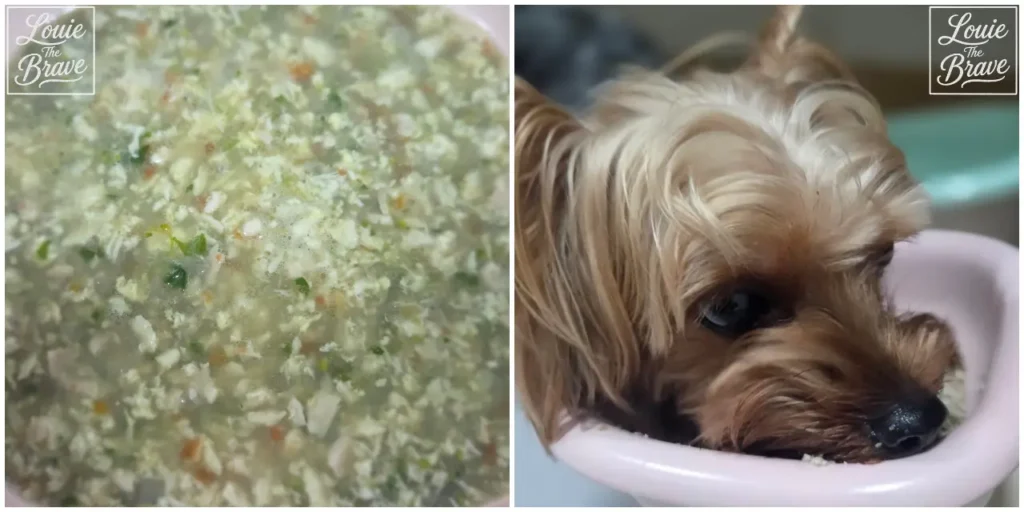
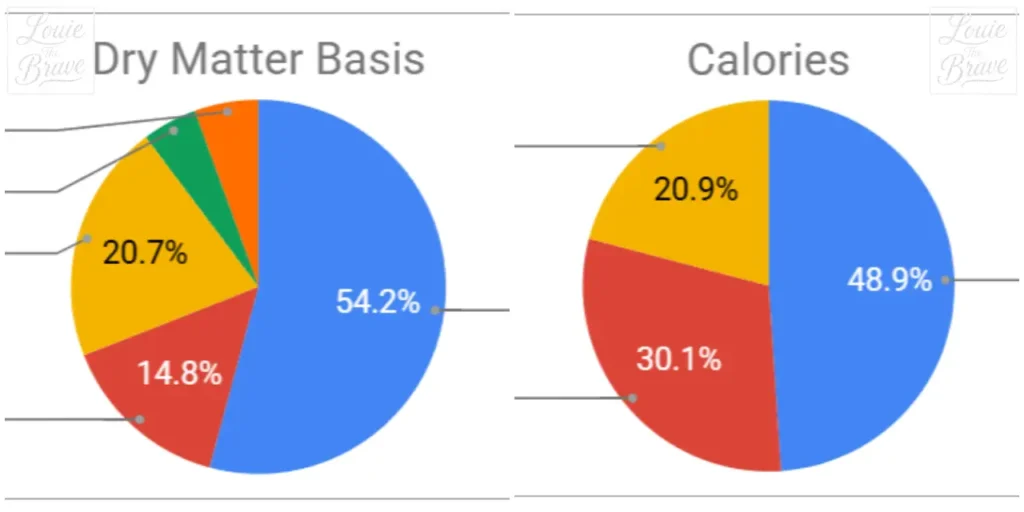
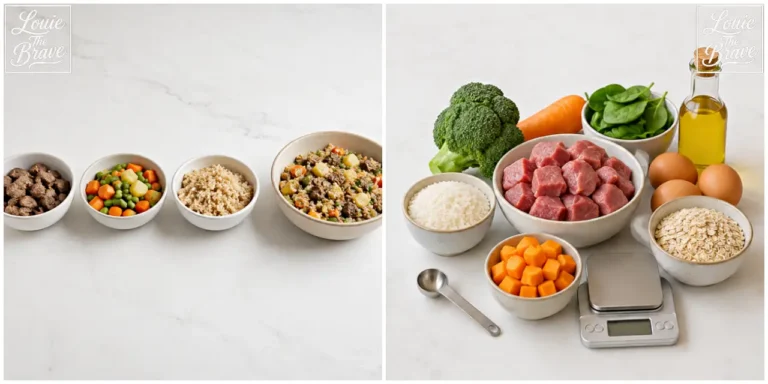
This homemade dog food batch uses chicken breast for a lean protein base and a smaller amount of skin-on chicken thigh to add fat and create a softer texture. It was prepared as a seven-day batch for Louie, a healthy adult dog weighing about 7 pounds. His plan provided about 161.6 calories per day.
The ingredient list below shows the preparation method and proportions used for Louie. It should not be copied as a complete diet for another dog without recalculating the calories, supplements, and daily portion.
Important Safety Note Before Using This Recipe
A home-cooked diet needs more than meat and vegetables. Calcium, trace minerals, vitamins, fatty acids, and the balance between those nutrients all matter. Changing ingredients or leaving out a prescribed supplement can make a previously calculated recipe unbalanced. Use this as a batch-cooking example rather than a universal feeding plan.
Ingredients for the Seven-Day Batch
| Ingredient | Amount |
|---|---|
| Chicken breast | 490 g |
| Chicken thigh, skin on | 126 g |
| Sweet potato | 210 g |
| Cabbage | 105 g |
| Carrot | 49 g |
| Broccoli | 49 g |
| Bok choy | 49 g |
| Ground sprouted chia and flaxseed | 3.5 g |
| Broccoli sprout powder | 1/3 teaspoon |
| Fermented mushroom powder | 1/3 teaspoon |
| Individually calculated supplements | Use only the amounts prescribed for the dog |
Louie’s calculated plan also included calcium, lecithin, iron, zinc, copper, manganese, vitamins B12, D3, and E, omega-3 oil, and other products already included in his nutrition plan.
Those quantities are intentionally not presented as a copyable supplement recipe. Capsule strength, product concentration, calorie intake, age, health conditions, and body size can all affect the correct amount.
Why Use Chicken Breast and Chicken Thigh Together?
Chicken breast kept most of the batch lean. The smaller portion of skin-on chicken thigh increased the fat and created a softer texture. This was a controlled adjustment rather than an attempt to make a high-fat meal.
The change was made after Louie’s stool became firm and separated into small pieces. He was not straining and did not appear constipated, so the fat level was adjusted slightly instead of immediately adding a concentrated fiber supplement.
This observation should not become a rule for every dog. Repeated hard stool, straining, vomiting, reduced appetite, abdominal discomfort, blood in the stool, or a sudden change in bowel habits requires veterinary guidance rather than repeated ingredient changes at home.
How to Prepare the Chicken and Vegetables
- Cook the chicken breast in plain water until it is fully cooked. Do not add salt, onions, garlic, sauces, or seasoning.
- Allow the breast meat to cool, then chop it into pieces appropriate for your dog’s size.
- Grind the chicken thigh and steam it until no raw areas remain.
- Boil or steam the sweet potato and vegetables until soft.
- Mash the sweet potato and finely chop the remaining vegetables.
- Allow all cooked ingredients to cool before adding supplements according to the calculated recipe and product directions.
- Combine everything thoroughly so that the meat, vegetables, and supplements are distributed evenly.
- Weigh the finished food and divide it into seven equal daily portions.
- Divide each daily portion again according to the dog’s normal number of meals.
Using two preparation methods created different textures without changing the main protein source. The chopped breast remained visible, while the ground and steamed thigh blended into the vegetable mixture. Finely prepared ingredients also made the small daily portions easier to divide accurately.
Storage and Serving
Home-prepared food contains fresh cooked ingredients and few preservatives, so it has a short refrigerated shelf life. Keep only several days of food in the refrigerator and freeze the remaining portions in sealed containers. Home-prepared meals may generally be frozen for two to three months, although texture can change during storage.
Thaw one portion in the refrigerator before it is needed. Do not leave it on the counter for extended periods, and discard food that develops an unusual smell, color, or texture. Never feed cooked chicken bones because they can splinter and cause injury.
What Not to Change Casually
- Do not replace skin-on thigh with skinless breast and assume the calories remain the same.
- Do not remove calcium because the recipe already contains vegetables.
- Do not double fiber powders after one unusual bowel movement.
- Do not replace one vitamin or mineral product with another by matching capsule counts.
- Do not estimate small supplement amounts with an ordinary kitchen spoon when the recipe requires gram measurements.
A balanced homemade diet depends on its exact ingredients, preparation method, supplement concentrations, and daily portion. Repeated substitutions can gradually move the diet away from its original nutrient calculation.
The plan should also be reviewed when a dog gains or loses weight, becomes more or less active, develops a medical condition, begins taking medication, or enters a different life stage.
Louie’s Response to the Meal
Louie ate this batch quickly and accepted both the chopped chicken breast and the softer ground thigh. The different textures did not interrupt his meal, and he continued to show the strong interest he usually has in freshly prepared food.
His enthusiasm helped evaluate palatability, but eating quickly does not prove that a recipe is nutritionally complete. That judgment must come from the nutrient calculation and consistent preparation.
Final Assessment
This chicken breast and thigh batch is a practical example of how to cook, mix, store, and portion homemade dog food for a small adult dog. The most important work happens before cooking: use a recipe formulated for the individual dog, weigh ingredients in grams, and keep every supplement and daily portion consistent.