Groenendael Dog: Temperament, Shedding, and Daily Care
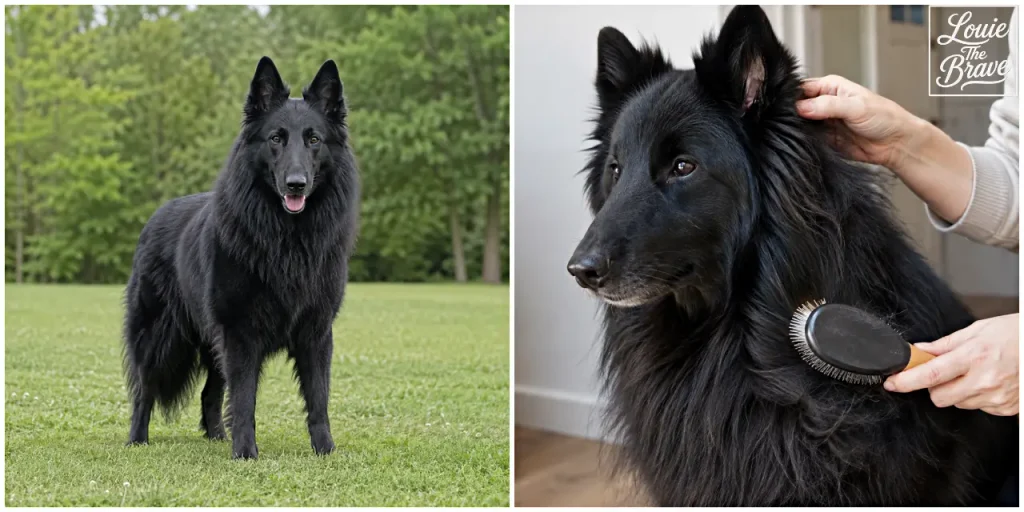
A Groenendael is the long-haired black Belgian Shepherd known in the United States as the Belgian Sheepdog. Breed organizations classify the Belgian shepherd types differently. The FCI treats Groenendael, Tervueren, Malinois, and Laekenois as four varieties of one Belgian Shepherd Dog breed, while the American Kennel Club recognizes them as separate breeds. For a U.S. owner searching for breeders, rescue groups, or AKC information, “Belgian Sheepdog” is usually the most useful term.
The coat is striking, but the real commitment is the dog behind it. Belgian Sheepdogs are intelligent, energetic, alert, and strongly attached to their people. They tend to suit owners who want an active training partner rather than a dog satisfied with a short daily walk.
What Is a Groenendael?
The Groenendael has a long, dense double coat and a black silhouette. Under the FCI standard, it is the uniformly black, long-haired variety of the Belgian Shepherd Dog. The AKC Belgian Sheepdog standard also calls for a long black coat, with limited white markings allowed in specific areas.
In the United States, adults generally stand 22 to 26 inches at the shoulder and weigh about 45 to 75 pounds. Males are usually taller and heavier than females. The breed should look athletic rather than bulky, with a square build suited to active work.
What Is the Groenendael Temperament Like?
A Belgian Sheepdog can be affectionate and deeply devoted at home while remaining watchful around unfamiliar people. The AKC standard describes the breed as intelligent, courageous, alert, and devoted, with a natural tendency to observe strangers carefully.
That makes early socialization important. It should not mean forcing a puppy to greet every person or dog. Instead, teach calm behavior around normal life: doorbells, delivery workers, visitors, elevators, traffic, children, and other dogs. Early socialization should focus on manageable, positive experiences rather than forcing interaction; an 8-week-old puppy can begin with predictable routines, gentle handling, and short positive training before gradually adding new people, dogs, and environments.
Training needs to be consistent. These dogs learn quickly, including habits owners did not intend to teach. Reward-based training, clear household rules, recall practice, impulse control, and structured activities give that intelligence a useful outlet.
How Much Exercise Does a Groenendael Need?
This is a high-energy working breed. The Belgian Sheepdog Club of America recommends vigorous daily exercise, and the AKC emphasizes both physical activity and mental stimulation.
For many adults, one short neighborhood walk will not be enough. A daily routine can combine brisk walking, hiking, retrieving, scent games, obedience work, agility, herding, or other dog sports. The amount should match the individual dog’s age, health, conditioning, and temperament.
Mental work matters too. Training sessions, problem-solving games, and calm settling practice help teach the dog how to switch from activity to rest.
How Much Does a Groenendael Shed?
The long coat has a dense undercoat, so shedding is part of life with this breed. The Belgian Sheepdog Club of America recommends weekly brushing down to the skin and using a slicker brush or undercoat rake during heavier shedding periods.
Regular brushing removes loose undercoat and helps prevent tangles in the longer hair around the neck, hindquarters, and tail. During seasonal coat changes, grooming may need to happen more often.
If dog hair around the home is a major concern, this breed may not be a comfortable fit.
Can a Groenendael Live in an Apartment or With Kids?
A yard is useful, but it does not exercise or train a dog by itself. Apartment living can work if the owner reliably provides outdoor activity, training, enrichment, and calm indoor routines. In shared buildings, practice around hallway noise, elevators, visitors, and close encounters with neighbors is especially useful.
Belgian Sheepdogs can live with children, but their herding background matters. Running children may trigger chasing or herding behavior, so adults should supervise interactions and teach the dog to disengage and settle when the household becomes active.
Is a Groenendael the Right Dog for You?
A Groenendael can be an excellent match for someone who enjoys daily training, exercise, grooming, and close companionship with a highly attentive dog. The harder fit is a home that wants an independent pet, minimal shedding, or a dog that can be fully satisfied with brief walks and little structured activity.
Before bringing one home, ask whether you have time every day for physical activity, mental work, socialization, coat care, and ongoing training. If that sounds like the lifestyle you want, the Belgian Sheepdog can be a deeply rewarding partner.
Source:
- American Kennel Club — Belgian Sheepdog Dog Breed Information
- American Kennel Club — Is the Belgian Sheepdog Right for You? Get to Know This Herding Breed
- American Kennel Club — Official Standard of the Belgian Sheepdog
- Belgian Sheepdog Club of America — Education Manual for the Belgian Sheepdog Puppy Buyer
- Belgian Sheepdog Club of America — Belgian Sheepdog Breed Information
- Fédération Cynologique Internationale — Belgian Shepherd Dog, FCI Standard No. 15